NAIROBI, Jan 20 – Kenya has launched the sale of a 65% stake in its state owned oil pipeline operator, seeking to raise 106.3 billion shillings, about $825 million, in what would be East Africa’s largest initial public offering in local currency terms.
The offering forms part of President William Ruto’s broader push to divest from state owned enterprises and reduce pressure on public finances. The government is also trimming its stake in telecoms operator Safaricom as it looks for alternative funding sources amid rising debt burdens.
Kenya’s public finances have come under strain from high debt levels, limited scope to raise taxes, and debt servicing costs that consume about 40% of government revenues, forcing the administration to pursue new financing models.
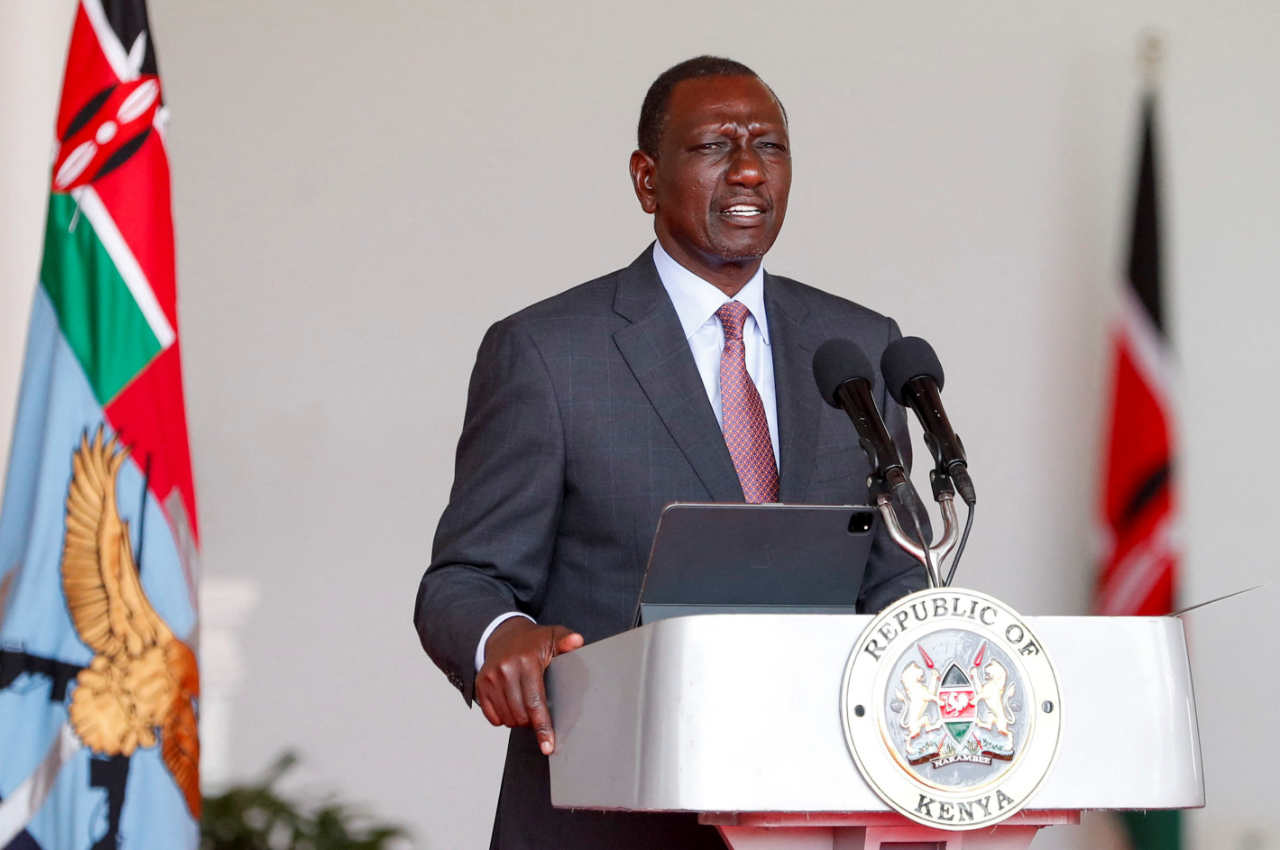
“We must turn to innovative financing mechanisms to fund our infrastructure and public service projects,” Finance Minister John Mbadi said at the IPO launch. “The traditional methods of financing our budget, taxation and debt, there is no longer any space.”
The Kenya Pipeline Company IPO has been priced at nine shillings per share, according to offer documents. The sale will remain open until February 19, with the shares expected to begin trading on the Nairobi Securities Exchange on March 9.
Of the total stake on offer, 15% has been reserved for oil marketing companies, 5% for employees, while the remaining shares will be allocated evenly across local retail investors, local institutional investors, East African investors, and foreign investors, each receiving 20%. The government will retain a 35% stake following the listing.
Kenyan investment bank Faida is acting as the lead transaction adviser for the deal.
Market participants expect strong demand for the offering, supported by recent gains in Kenyan equities. MSCI’s Kenya stocks index has risen more than 50% over the past year.
“While the accessible pricing is set to attract retail participation, we are also likely to see strong interest from institutional energy sector investors,” said Eric Musau, head of research at Standard Investment Bank in Nairobi.
The pipeline operator’s listing is set to surpass the landmark 2008 Safaricom IPO, which raised just over 50 billion shillings, making it the largest IPO ever conducted in Kenya in local currency terms. In dollar terms, Safaricom may still rank higher due to the depreciation of the shilling over the past 17 years, according to LSEG data.
The offering comes against the backdrop of a global recovery in equity capital markets. Global equity issuance reached $738.4 billion in 2025, up 15% year on year and the strongest performance in four years. Issuers in Europe, the Middle East, and Africa accounted for just over one fifth of that total.
Africa recorded six IPOs last year, raising a combined $882.1 million, up 57% from the previous year and the highest level since 2018, LSEG data showed.