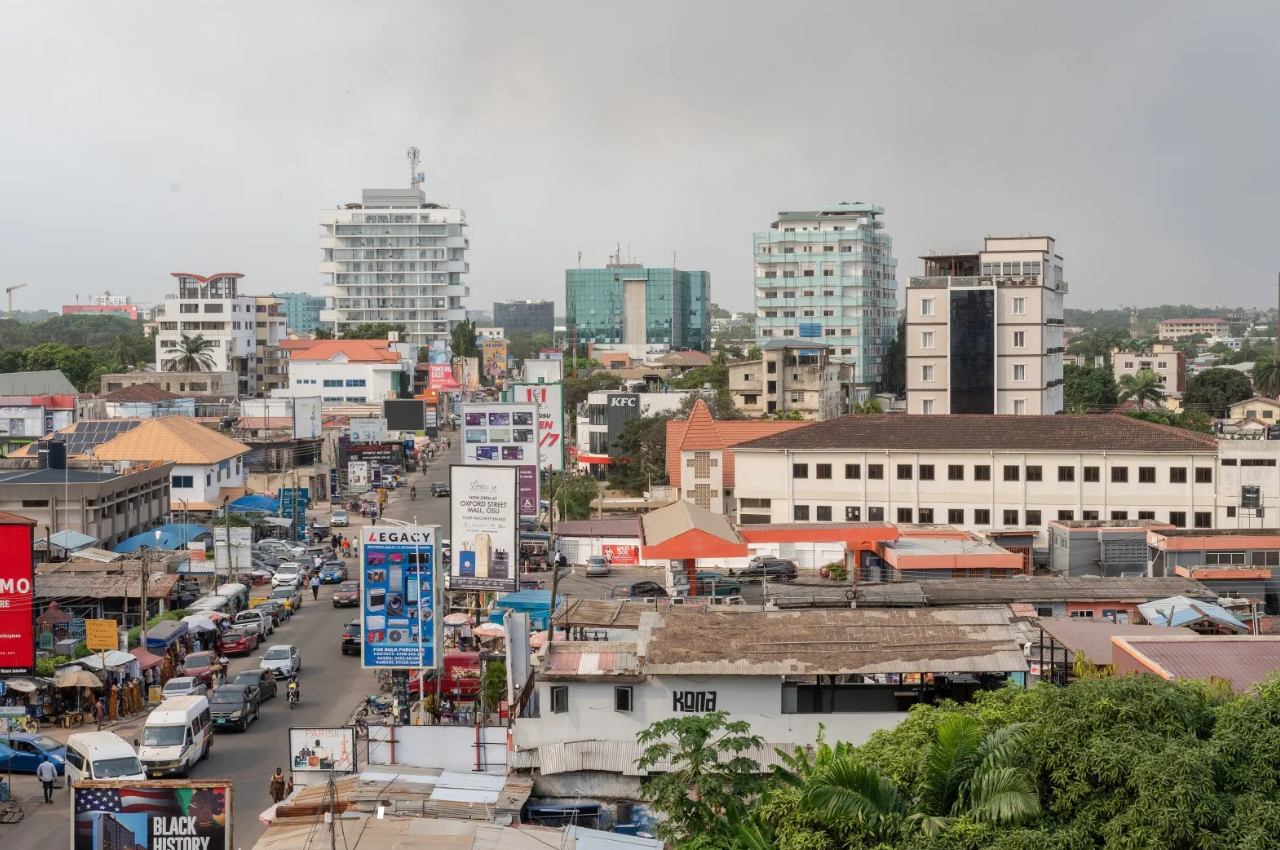
ACCRA, Feb 4 – Ghana’s consumer inflation slowed for a 13th consecutive month in January, reinforcing signs of stabilising prices as the West African nation emerges from its deepest economic crisis in decades.
Annual inflation eased to 3.8% in January from 5.4% in December, according to data released by the Ghana Statistical Service. The decline was driven primarily by food prices, with food inflation falling to 3.9%, Government Statistician Alhassan Iddrisu said at a press briefing.
The January reading marks the lowest inflation rate recorded since Ghana rebased its Consumer Price Index in 2021 and extends a sharp disinflationary trend that has seen headline inflation plunge from a peak of 54.1% in December 2022.
“The sustained decline signals that Ghana is firmly on a path towards price stability,” Iddrisu said.
The easing in price pressures gives the Bank of Ghana greater room to continue loosening monetary policy after a series of aggressive rate cuts. Since July last year, the central bank has reduced its benchmark rate by a cumulative 12.5 percentage points as inflation retreated rapidly.
Economists say the latest data strengthens the case for further easing. “An exceptionally low inflation print that leaves the door to further easing in Ghana wide open,” said Razia Khan, chief economist for Africa and the Middle East at Standard Chartered.
Inflation now sits below the Bank of Ghana’s 8% target, which has a tolerance band of plus or minus 2 percentage points. However, Governor Johnson Asiama said after the central bank’s January policy meeting that it was premature to reassess the inflation target itself.
Ghana is currently operating under a three year support programme with the International Monetary Fund, which it is expected to complete in August, as authorities work to restore macroeconomic stability and rebuild investor confidence.