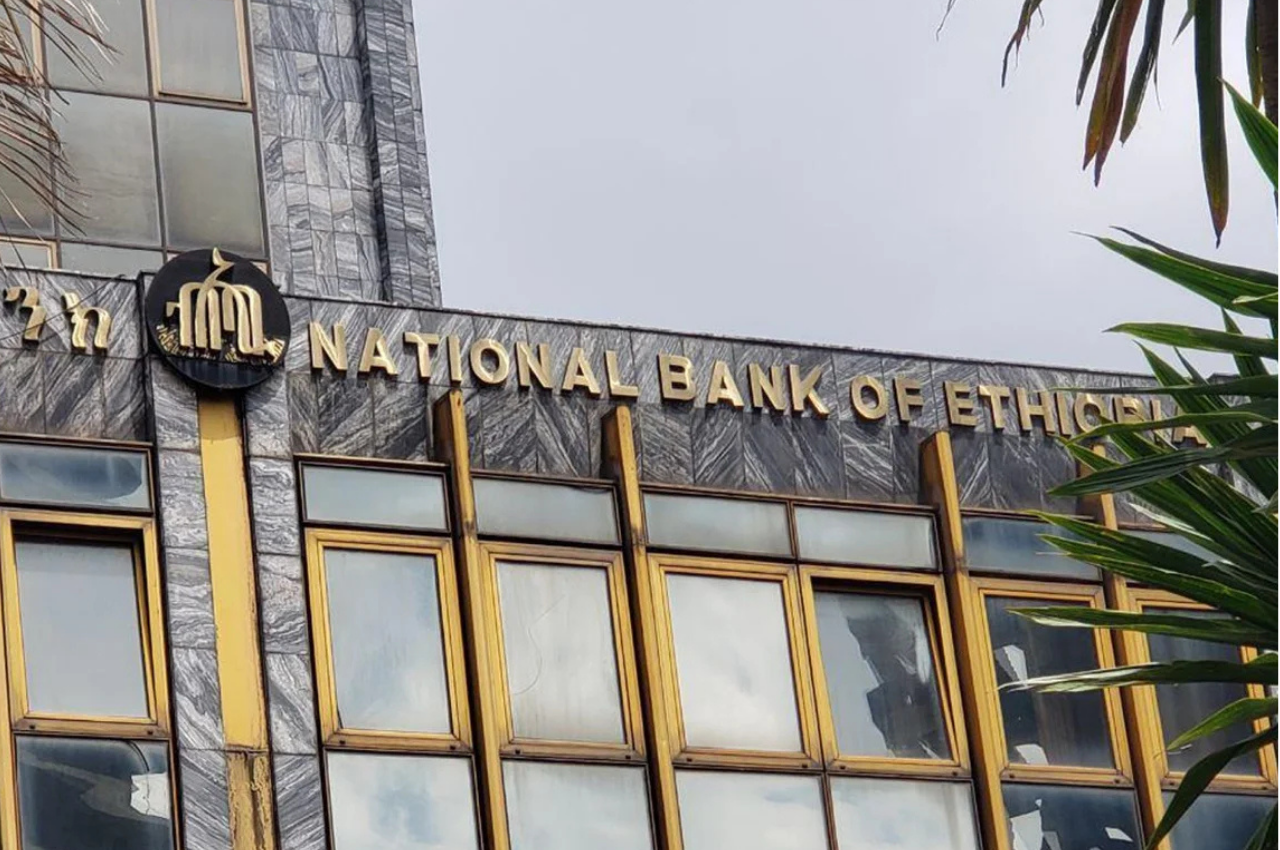
ADDIS ABABA, Feb 11 – The National Bank of Ethiopia has introduced major changes to the country’s foreign exchange framework, permitting residents to make international payments directly from their foreign currency accounts for the first time. The move forms part of a broader market liberalisation programme launched in July 2024.
In a public notice issued Wednesday, the central bank outlined new measures aimed at expanding the functionality of foreign currency accounts and strengthening the domestic forex market.
Under the revised directive, service exporters are now allowed to retain 100 percent of their export earnings in foreign currency retention accounts without time limits. These balances can be used for outbound retail payments, including online purchases, tuition fees, medical expenses and travel costs for account holders and their immediate family members abroad, subject to documentation requirements.
Commercial banks authorised by the central bank may also issue internationally accepted payment cards linked to foreign currency accounts, enabling online and overseas transactions. In addition, the previous minimum deposit threshold of 100 dollars for opening a forex savings account has been eliminated for both resident and non resident Ethiopians, including foreign nationals of Ethiopian origin.
The updated rules further permit Ethiopians to undertake outbound investments, subject to case by case approval. Individuals entering the country with foreign currency may now exchange the full amount at authorised forex bureaus or deposit it into their accounts without filing a customs declaration. Outbound remittances of up to 3,000 dollars are allowed to support family members abroad.
Foreign direct investment firms, embassies, international organisations and non governmental organisations can now open foreign currency accounts at commercial banks without seeking prior approval from the central bank. Banks are also authorised to process forward exchange contracts, external borrowing, supplier credit arrangements and advance export payments under the revised framework.
To bolster the role of independent forex bureaus, the central bank has released some security deposits and raised the permitted cash holding limit from 10 percent to 25 percent of capital. Bureaus are now authorised to supply foreign currency for local payments such as visa, immigration and licensing fees, provided supporting documentation is presented.
The reforms come amid significant currency volatility. Since the liberalisation of the forex market, the Ethiopian birr has weakened sharply, falling from about 57 per dollar to more than 150 per dollar in official auctions by early 2026.