
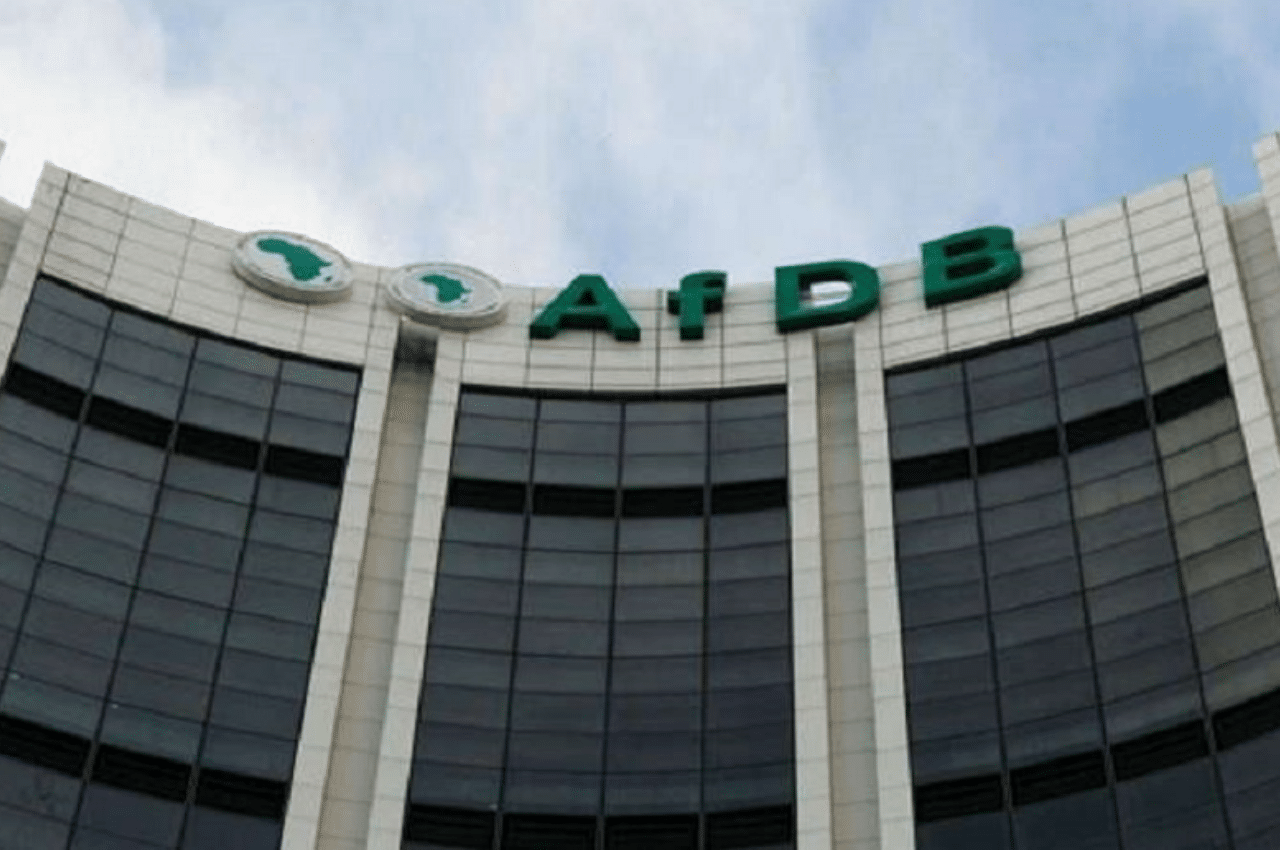
CAIRO, Jan 20 – Egypt has signed a $170 million financing agreement with the African Development Bank to support its state budget and advance structural economic reforms, according to the Ministry of Planning, Economic Development, and International Cooperation.
Planning Minister Rania Al Mashat said the deal reflects Egypt’s long standing partnership with the AfDB, which has supported projects across water and sanitation, transport, and economic reform. She said the government is working with development partners to mobilize concessional financing, expand its fiscal space for human development spending, and advance structural reforms.
The funding represents the second phase of the Private Sector Development and Economic Diversification Support Program, which focuses on strengthening public finances, improving the business environment, and expanding private sector participation in the economy.
Alongside the loan, the AfDB approved a $400,000 grant (EGP19 million) to support sustainability measures at the Abu Rawash Wastewater Treatment Plant, the ministry said.
Al Mashat said AfDB financing for Egypt’s private sector has increased, with private sector funding in 2025 reaching three times the level of government directed financing, signalling a growth in confidence in Egypt’s economic outlook.
The second phase builds on an earlier $131 million tranche approved by Parliament in December 2024.
Separately, Al Mashat said the Abu Rawash grant will support environmental sustainability and operational efficiency at the facility, which ranks among the largest wastewater treatment plants globally.
In May, Egypt and the AfDB signed an agreement for the fourth phase of the Abu Rawash project, which will increase treatment capacity to 2 million cubic meters per day from 1.6 million. The expansion is expected to benefit 8.6 million people in Giza.
Egypt has said total concessional budget support financing for the 2023 to 2026 period stands at about $9.5 billion. The funding targets macroeconomic stability, improved investment conditions, deeper structural reforms, and a faster transition to a green economy.
