
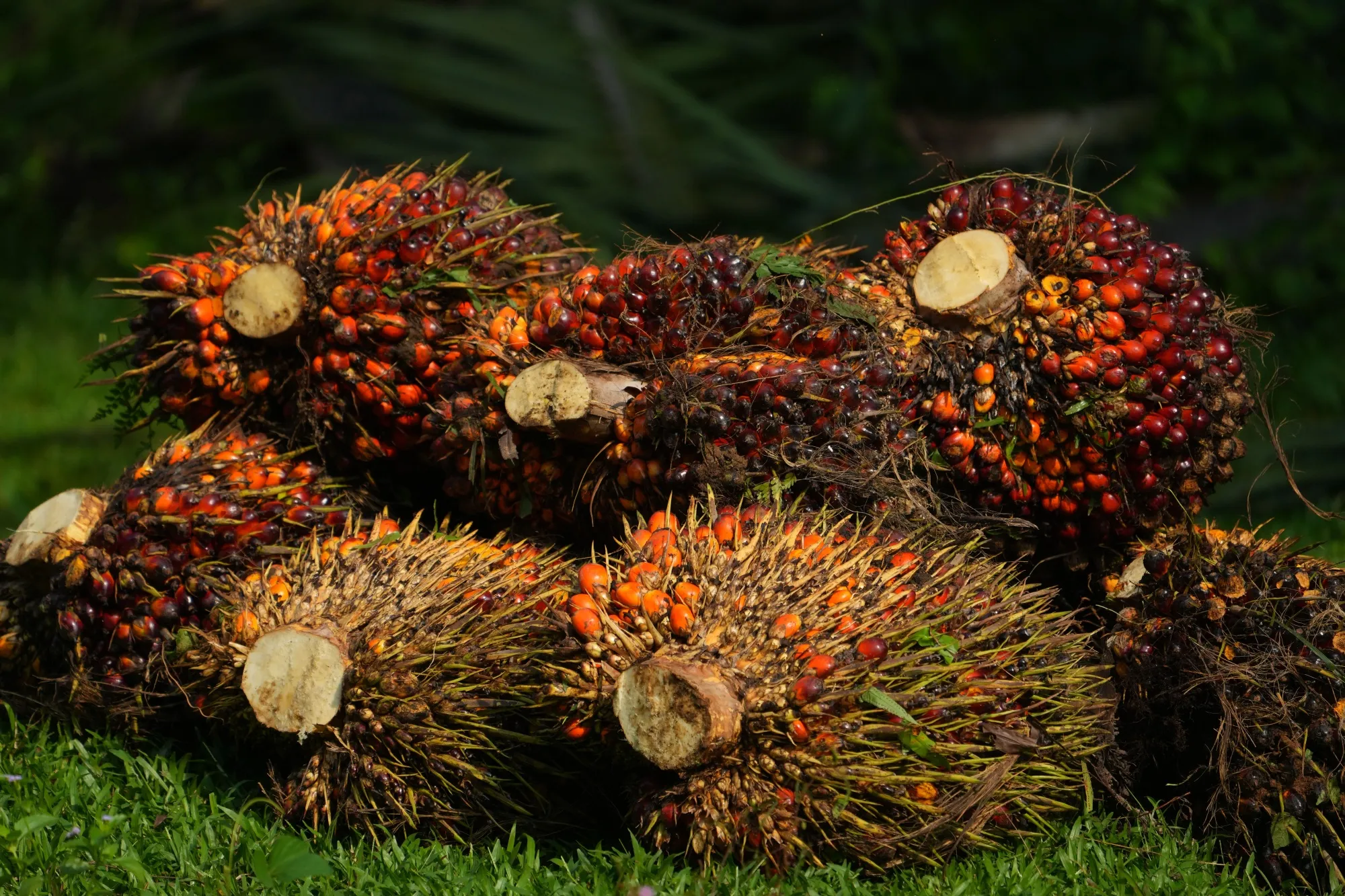
ABUJA, April 13 – Nigeria has reduced import tariffs on crude palm oil to 28.75% from 35%, according to the approved 2026 Fiscal Policy Measures (FPM).
The change was outlined in a circular dated April 1, 2026, signed by the Minister of Finance and Coordinating Minister of the Economy, Wale Edun, with the document replacing the 2023 FPM and introducing a revised tariff structure covering 127 product lines.
Alongside palm oil, tariffs on several staple imports were reduced. Bulk rice in quantities above 5kg now attracts a 47.5% duty, down from 70%, while duties on broken rice were cut to 30% from 70%. Raw cane sugar now ranges between 55% and 57.5%, compared to the previous 70%, depending on classification.
Other items saw no changes, with wheat or meslin flour remaining at 70%, margarine at 40%, and refined salt for human consumption at 55%.
To ease the transition, the government granted a 90-day window for importers who opened Form ‘M’ before April 1 to clear goods at the previous rates.
In addition, the policy signals the introduction of new excise duties and a green tax, both scheduled to take effect from July 1, 2026.
The adjustment forms part of broader efforts to realign Nigeria’s import duties with the ECOWAS Common External Tariff framework. It also reflects a wider review of import taxes across key food categories.
