
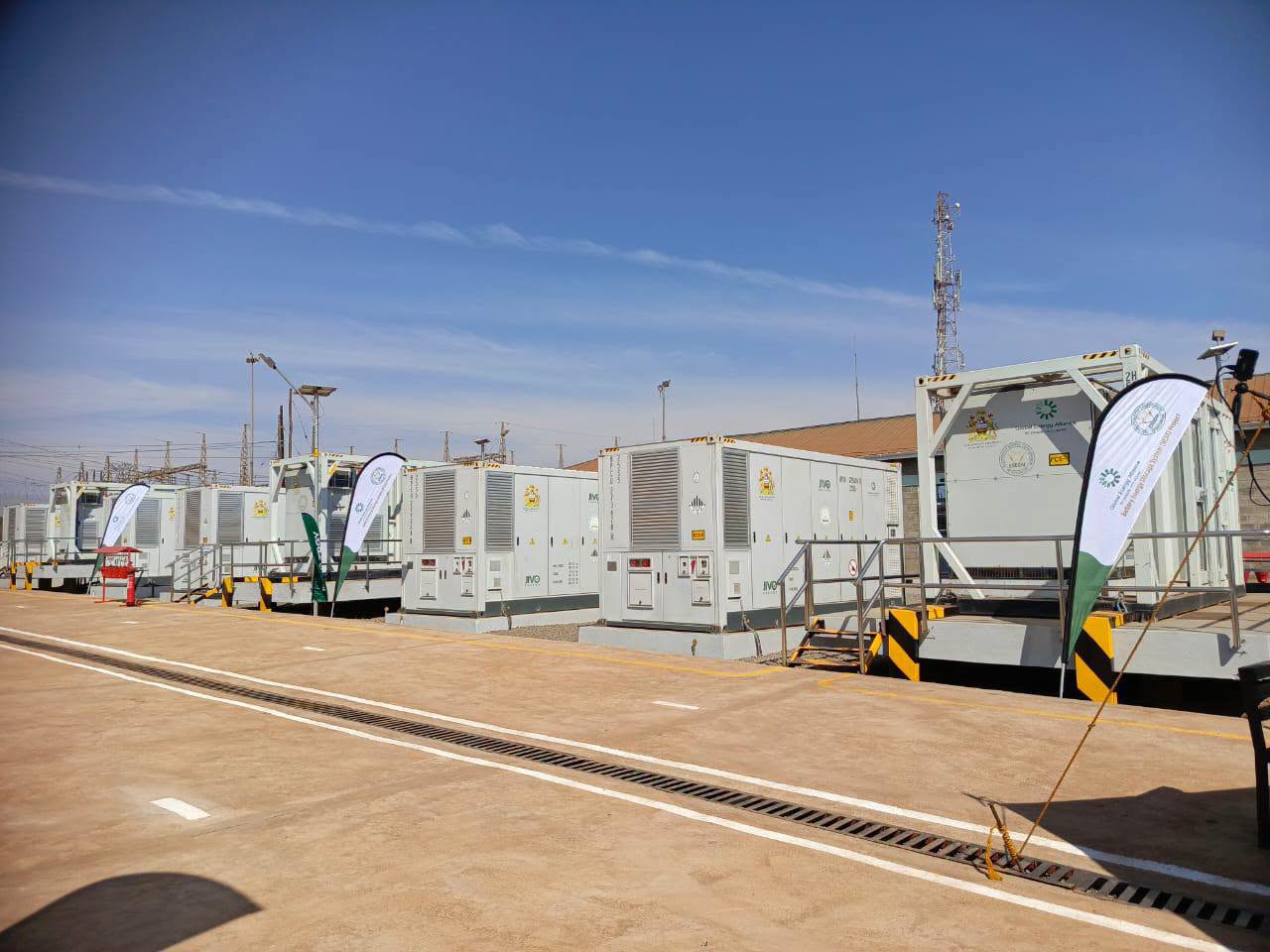
LILONGWE, July 27 – Malawi has commissioned a 20-megawatt (MW) utility-scale battery energy storage system, marking a major milestone in the country’s efforts to improve electricity reliability and strengthen its power infrastructure against climate-related disruptions.
The project makes Malawi home to southern Africa’s only utility-scale battery storage facility outside South Africa and Namibia, according to officials, as the country seeks to modernise its electricity network and improve energy security.
According to a Reuters report, the battery system was officially switched on by the Electricity Supply Corporation of Malawi (ESCOM) over the weekend. The facility is expected to stabilise electricity supply as the country faces growing climate risks, including the effects of a strong El Niño weather pattern that is forecast to reduce water flows in the Shire River, the source of most of Malawi’s hydropower generation.
Only about 25% of Malawi’s population currently has access to electricity, with the government aiming to increase national electricity access to 70% by 2030.
The country’s power sector remains heavily dependent on hydropower, which accounts for roughly two-thirds of electricity generation. However, key hydropower facilities suffered extensive damage during Cyclone Freddy three years ago, exposing the vulnerability of Malawi’s electricity system to extreme weather events.
Solar power currently contributes around 100 MW of Malawi’s total installed generation capacity of approximately 580 MW.
Speaking during the commissioning ceremony in Lilongwe, Energy Minister Jean Mathanga highlighted the broader economic and social importance of the investment.
According to Mathanga, “This project is about providing the steady, high-quality power that our hospitals need to save lives. It is about what our schools need to educate our children, and our businesses need to thrive.”
The government plans to build three additional battery storage facilities with a combined capacity of 60 MW in two other cities as part of its strategy to improve grid resilience and expand access to reliable electricity.
The first battery storage project was financed by the Global Energy Alliance for People and Planet.
According to ESCOM Chief Operations Officer Sinosi Maliyano, the battery system is expected to help connect 600,000 additional households to the national grid while reducing average power outages from four hours to less than two hours.
The country’s persistent electricity shortages have weighed heavily on businesses, particularly small enterprises that rely on uninterrupted power supply.
“I am struggling to pay for my children’s college fees because my welding business can’t sustain us due to frequent blackouts,” said Adrian Masoambeta, a 43-year-old welding business owner.
Expressing hope that the project will deliver lasting improvements, he added, “We hope they are serious with these batteries.”
The investment represents a significant step in Malawi’s broader energy transition, combining battery storage with renewable energy generation to improve grid stability, strengthen climate resilience and support long-term economic development.
