
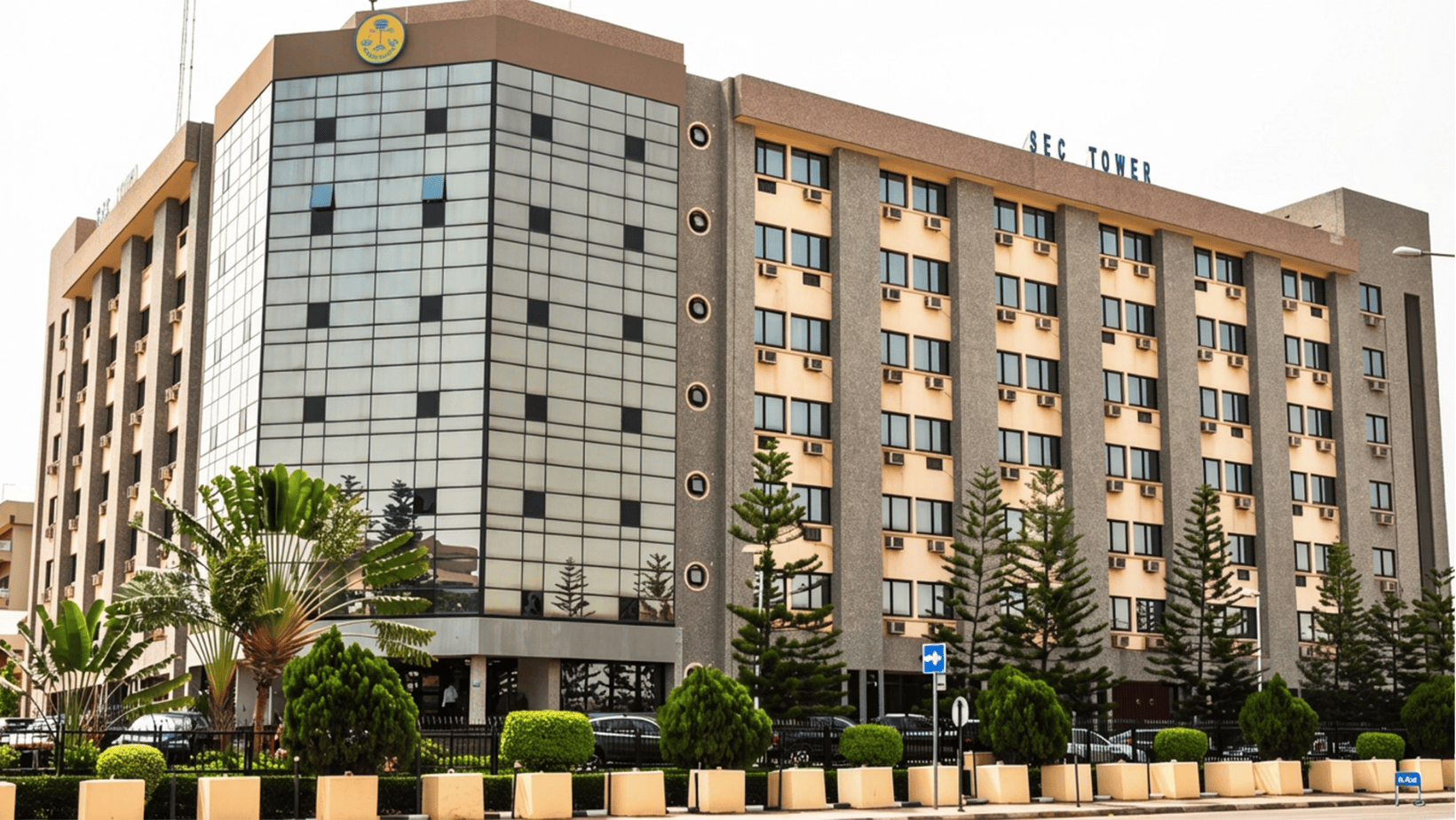
ABUJA, July 10 – Nigeria Securities and Exchange Commission (SEC) has directed all Capital Market Operators to submit their Q2 2026 Ownership Structure and Capital Flows Returns by Friday, July 10.
The directive, contained in a circular issued on July 8, applies to registrars, brokers, dealers, fund managers and other market operators, giving them two days to comply.
According to the SEC, the quarterly returns are needed to support the compilation of Nigeria’s Balance of Payments (BOP) and International Investment Position (IIP), which help measure the country’s external financial position.
Operators are required to report new equity and debt investments involving residents and non-residents, foreign portfolio holdings, cross-border transactions, mergers and acquisitions, as well as investments by Nigerian residents in foreign entities and non-residents in Nigerian companies.
The commission said the exercise is a continuous quarterly requirement and urged all operators to follow the reporting templates provided for their respective categories. It also asked firms to ensure that all submissions are complete, accurate and filed within the deadline.
Under the reporting framework, registrars are expected to submit ownership structure data through a designated Google Form. Brokers, dealers and fund managers are required to file separate returns covering domestic transactions for non-resident investors, foreign transactions carried out for Nigerian residents, and the current U.S. dollar value of foreign investments managed on behalf of Nigerian residents.
The SEC acknowledged operators that have consistently met previous reporting deadlines, describing their cooperation as an important contribution to a national assignment.
The reporting requirement comes as Nigeria’s capital market continues to attract international attention, including its placement on the S&P Dow Jones Indices’ 2027 Frontier Market Watchlist. The SEC noted that reliable capital market data plays an important role in how investors, rating agencies and multilateral institutions assess Nigeria’s economy.
