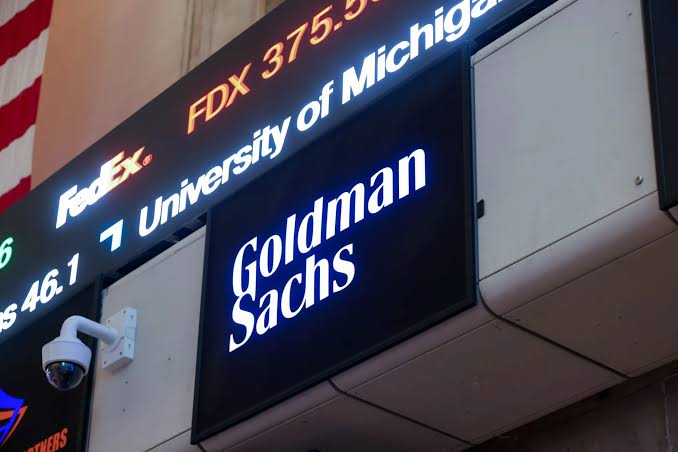
JOHANNESBURG, May 14 – Goldman Sachs Group Inc. now expects South Africa to raise interest rates twice this year, reversing its earlier forecast for a continued easing cycle, as the Iran war pushes up global inflation risks and energy prices.
Andrew Matheny, an economist at Goldman Sachs, said the bank now expects quarter-point increases at the South African Reserve Bank’s meetings in May and July after revising upward its oil-price and inflation assumptions.
“We have shifted to a baseline for two rate hikes,” Matheny said, while noting that larger half-point increases remain unlikely.
Before the escalation in the Middle East conflict, Goldman had projected a gradual rate-cutting cycle that would have taken South Africa’s benchmark interest rate to 5% over time.
The bank now expects an initial tightening phase before policymakers eventually return to structural easing later in the decade.
South African Reserve Bank kept its benchmark rate unchanged at 6.75% in March, while warning that geopolitical tensions and higher energy prices had increased inflation risks.
The central bank’s next monetary policy decision is scheduled for May 28.
Goldman Sachs now forecasts South African inflation to average 4% in 2026 before slowing to 3.4% in 2027, with price growth expected to remain between 4% and 4.5% over the coming quarters.
The outlook reflects growing concerns that prolonged disruptions linked to the Iran war could spill over into broader food and transport costs through higher diesel and fertilizer prices.
Matheny said the case for tighter monetary policy remained “borderline” but noted that persistent inflation risks had shifted the balance toward additional hikes.
The more hawkish interest-rate outlook comes despite Goldman maintaining a constructive view on South Africa’s broader fiscal and sovereign-credit trajectory.
“The positive fiscal story is still intact,” Matheny said.
Goldman estimates South Africa’s budget deficit narrowed to 4.3% of gross domestic product in the fiscal year through March, outperforming the National Treasury’s earlier 4.5% projection.
The country also recorded a primary budget surplus for a third consecutive year, strengthening the case for potential sovereign credit-rating upgrades.
Matheny said Moody’s Ratings could revise South Africa’s outlook to positive in its upcoming review, while S&P Global Ratings may eventually raise the country’s rating to BB+, one notch below investment grade, if global economic conditions remain stable.
Goldman expects oil prices to moderate toward $90 a barrel by year-end if disruptions to global energy flows ease by the end of June.
However, the bank warned that more severe scenarios could push crude prices to between $100 and $115 a barrel.
Despite the geopolitical uncertainty, Goldman said it does not currently expect the Iran conflict to trigger a global recession and believes markets may still be underestimating South Africa’s improving credit trajectory.