
JOHANNESBURG, Mar 26 – South Africa’s central bank has kept its benchmark interest rate unchanged at 6.75%, as policymakers assess the inflationary impact of rising global oil prices driven by the Iran conflict.
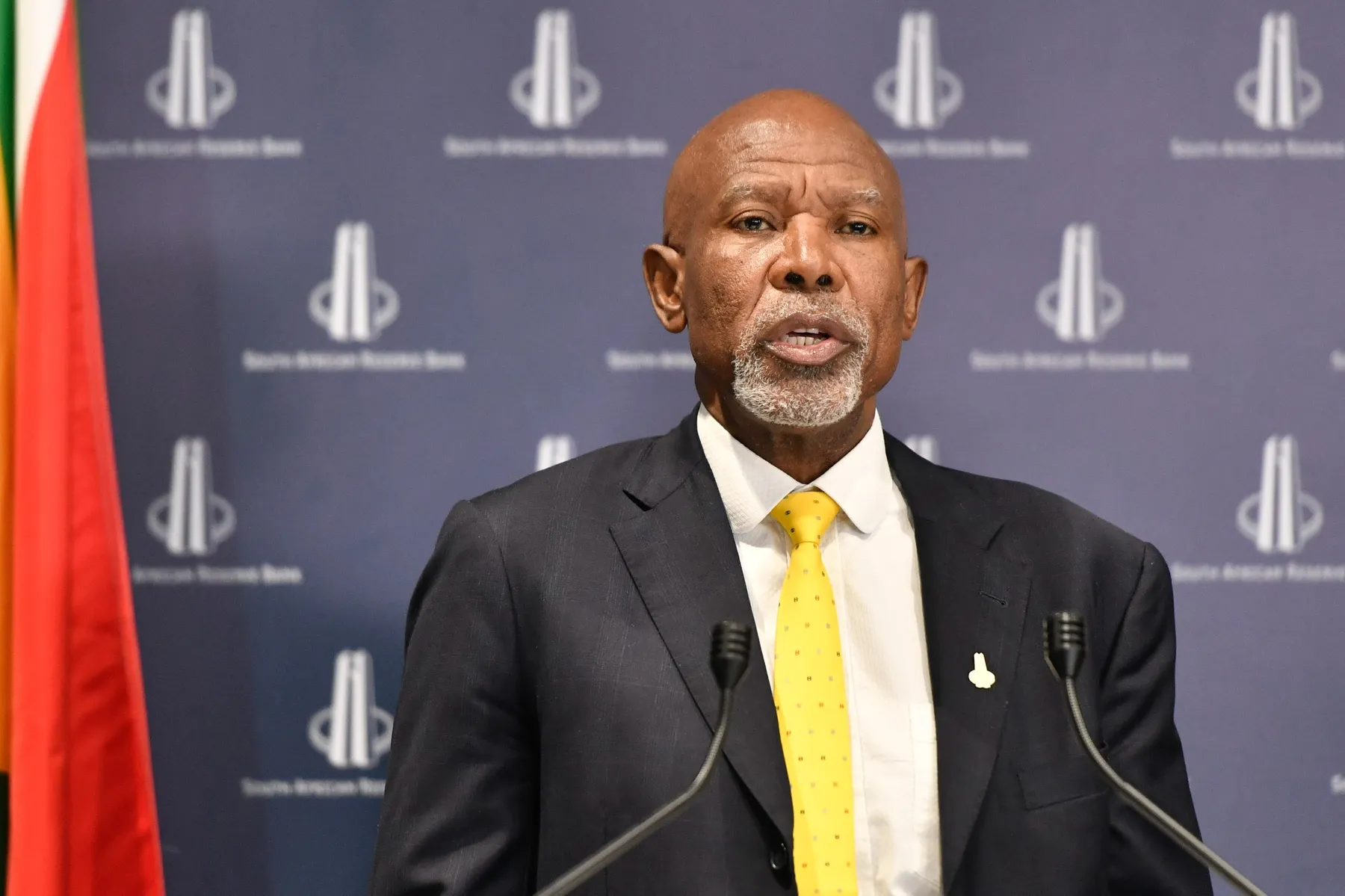
Governor Lesetja Kganyago said the decision by the monetary policy committee was unanimous, aligning with expectations from economists.
The South African Reserve Bank maintained that its current stance remains “moderately restrictive,” aimed at guiding inflation back toward its 3% target.
Policymakers signaled that rate cuts are likely to be delayed, with updated projections indicating interest rates will remain higher for longer compared to earlier expectations set in January.
The decision comes as South Africa faces mounting inflation risks due to its reliance on imported oil. Global crude prices have surged more than 40% since the escalation of conflict involving the United States, Israel and Iran, placing upward pressure on domestic costs.
The central bank raised its inflation forecast for the year to 3.7%, up from 3.3% previously, while also slightly increasing its outlook for 2027. Its policy rate projection was adjusted to 6.47% by year-end, compared to earlier estimates.
Authorities also outlined multiple scenarios depending on the duration of the conflict. A shorter two-month disruption could lead to a single rate hike, while a prolonged conflict lasting over a year may require several increases.
The shift reflects a broader global trend, as central banks reassess monetary policy paths amid heightened geopolitical risks and rising energy prices, which threaten to feed into broader inflation across economies.
