
LAGOS, Feb 12 – The Central Bank of Nigeria has warned that excess liquidity in the financial system and election cycle spending could threaten macroeconomic stability, despite recent gains from policy reforms.
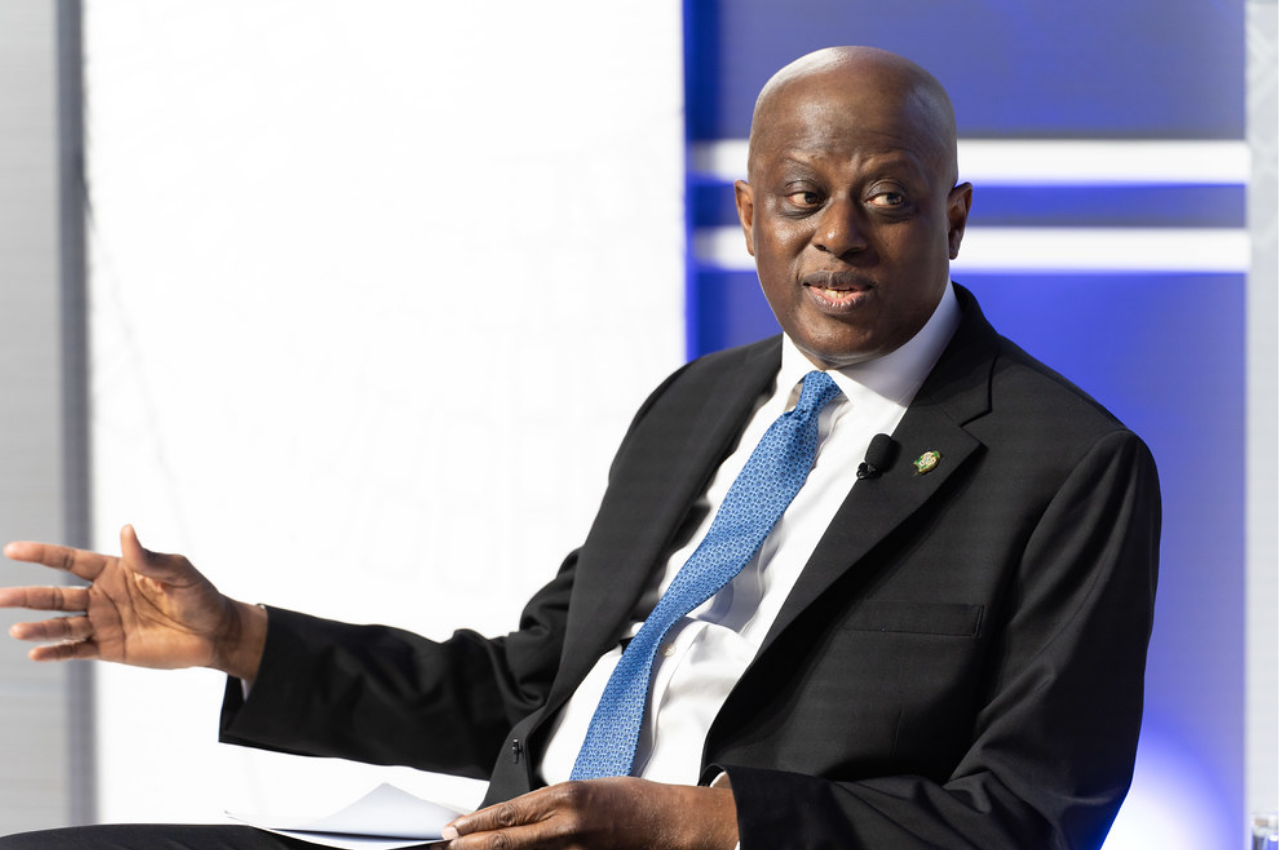
Governor Olayemi Cardoso delivered the warning at the National Economic Council meeting held at the Presidential Villa in Abuja. He said large volumes of liquidity remain in circulation and require careful management to prevent renewed inflationary pressure.
He stated that election cycle spending has injected significant funds into the economy and must be monitored to avoid reversing reform gains, adding that monetary policy alone cannot deliver lasting price stability in an environment shaped by food supply shocks, high energy costs, infrastructure gaps and a large informal sector.
The CBN disclosed that intervention programmes totaling about ₦10.93 trillion provided temporary support but contributed to structural imbalances in the financial system.
Cardoso said Nigeria’s net foreign reserves have risen to $49 billion, up from about $3 billion in May 2023. He reiterated that the bank will safeguard the value of the naira while maintaining a disciplined interest rate path.
The governor noted that subnational governments now control roughly half of Federation Account revenues, giving them significant influence over liquidity and inflation outcomes. He urged states to align fiscal decisions with national stability objectives through sustainable borrowing and infrastructure investment.
The CBN said improved revenue mobilisation, efficient public spending and coordination between fiscal and monetary authorities remain central to achieving durable price stability.