
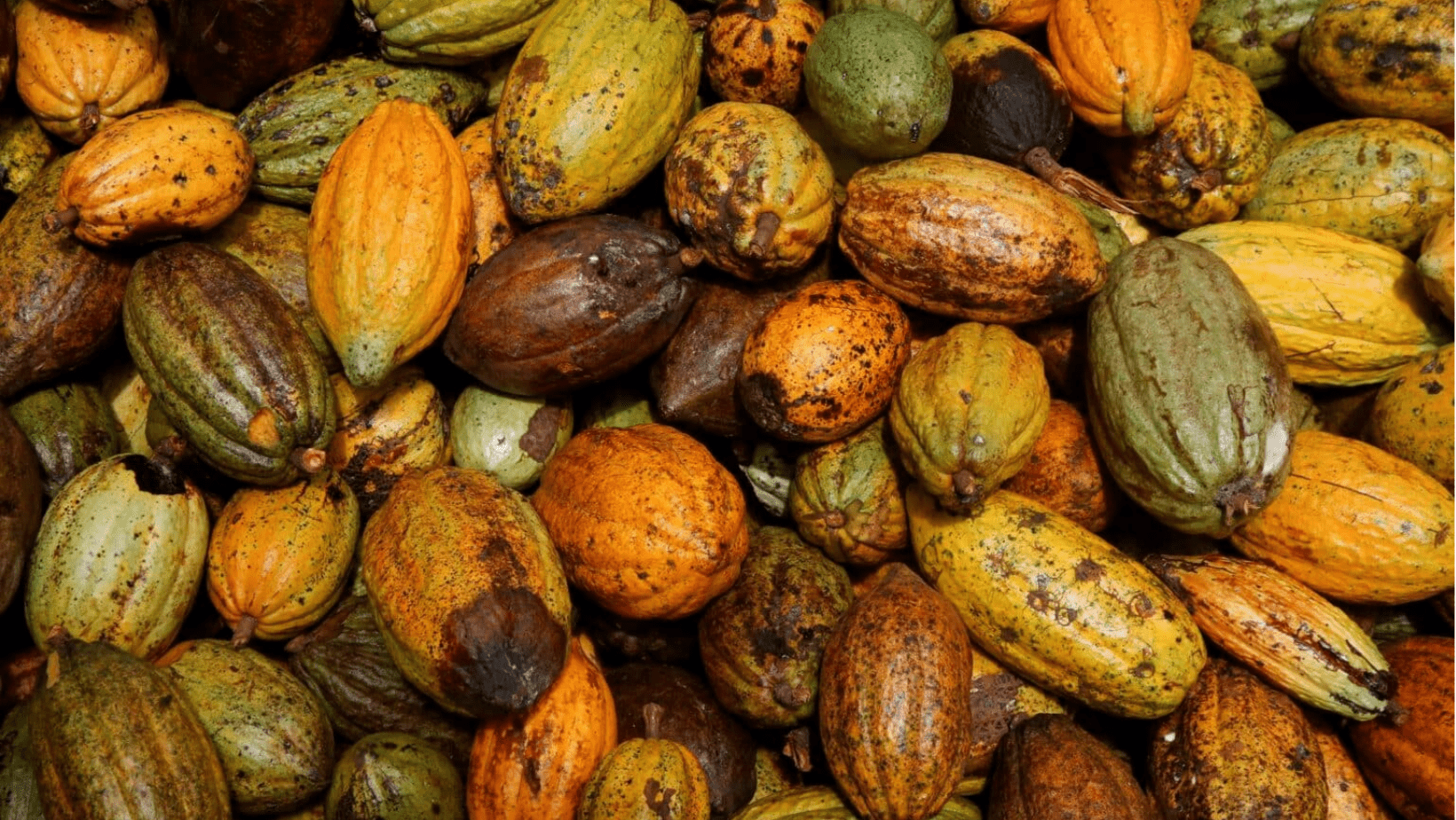
ABIDJAN, Aug 27 – Ivory Coast’s delayed cocoa crop could put pressure on major export ports later this year as exporters prepare to move large volumes before stricter European Union deforestation rules take effect.
The Coffee and Cocoa Council, the regulator in the world’s largest cocoa-producing country, said last week that Ivory Coast was ready for the new rules. However, two sources from the council and five exporters told Reuters they expect congestion at the ports of Abidjan and San Pedro in November and December.
The sources also warned that available storage capacity could come under pressure as cocoa deliveries increase.
The delay in the 2026/27 main crop has been linked to difficult weather conditions, insufficient farm maintenance and the strength of the mid-crop, which slowed the development of the main crop. One source said the main crop could be delayed by eight to 10 weeks.
“With this looming delay, we will find ourselves having to export enormous quantities in a short period in December,” an executive at a European export company in Abidjan said.
One cocoa council official said the regulator would do everything possible to reduce the impact of the delay.
Although the main cocoa season is scheduled to begin on September 1, weekly arrivals are expected to remain below 15,000 metric tons in September and 25,000 tons in October, according to the sources.
Main-crop cocoa volumes are expected to start arriving in late October or early November before rising through December.
The cocoa council expects total arrivals from the main crop, which runs from September to February 28, 2027, to reach no more than 1.4 million tons. Exporters have put their estimate slightly higher, at between 1.4 million and 1.45 million tons.
Around 900,000 tons of cocoa are expected to reach Ivory Coast’s ports between October and December 2026. That compares with an updated 1.1 million tons during the same period in 2025 and a typical range of 800,000 to 1 million tons over the three months.
The timing is particularly important for exporters because the European Union’s stricter deforestation rules are due to take effect at the end of the year, increasing the pressure to move cocoa shipments before the deadline.
