
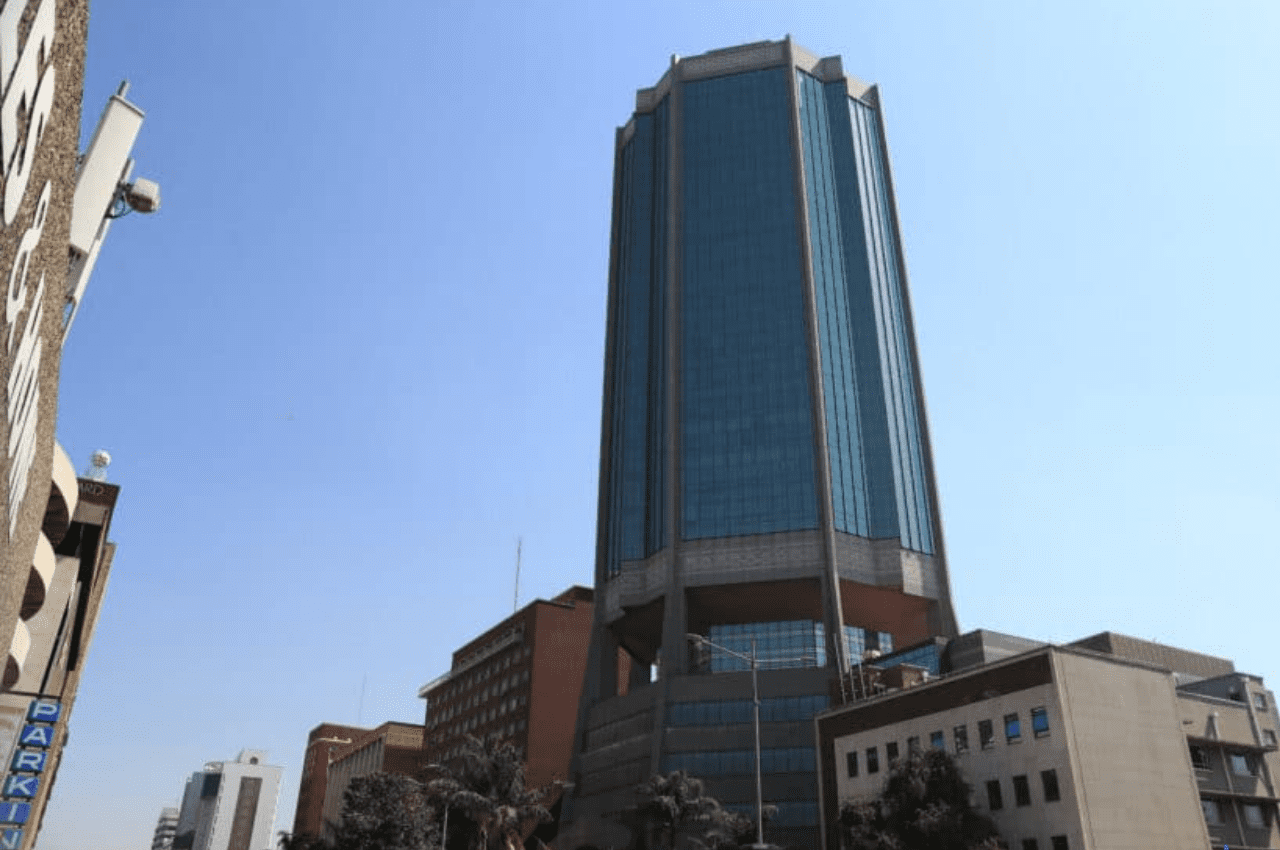
HARARE, Mar 25 – Zimbabwe’s central bank left its main lending rate unchanged at 35% on Tuesday, maintaining a tight monetary policy stance as authorities seek to contain the impact of rising fuel prices.
The decision comes amid concerns over inflationary pressure linked to recent increases in fuel costs, which have been attributed to tensions in the Middle East. The Monetary Policy Committee said it would “stay the course” to limit potential second-round effects on prices.
The policy rate has remained at 35% since September 2024, forming part of broader efforts to stabilise the economy, curb inflation and support confidence in the country’s relatively new currency, introduced two years ago.
Recent data shows that Zimbabwe’s annual inflation rate has slowed significantly, dropping to single digits for the first time in more than three decades. The development had raised expectations that the central bank could begin easing its policy stance.
However, the latest fuel price adjustments have shifted that outlook. Economists had anticipated a move towards lower rates before the escalation of the U.S. and Israel conflict with Iran, but the central bank is now prioritising stability.
In its statement, the bank emphasised the need to manage inflation risks linked to energy costs, signalling that policy will remain tight in the near term.
The decision underscores the central bank’s focus on maintaining price stability despite recent gains in inflation control, as external shocks continue to shape the country’s economic outlook.
