
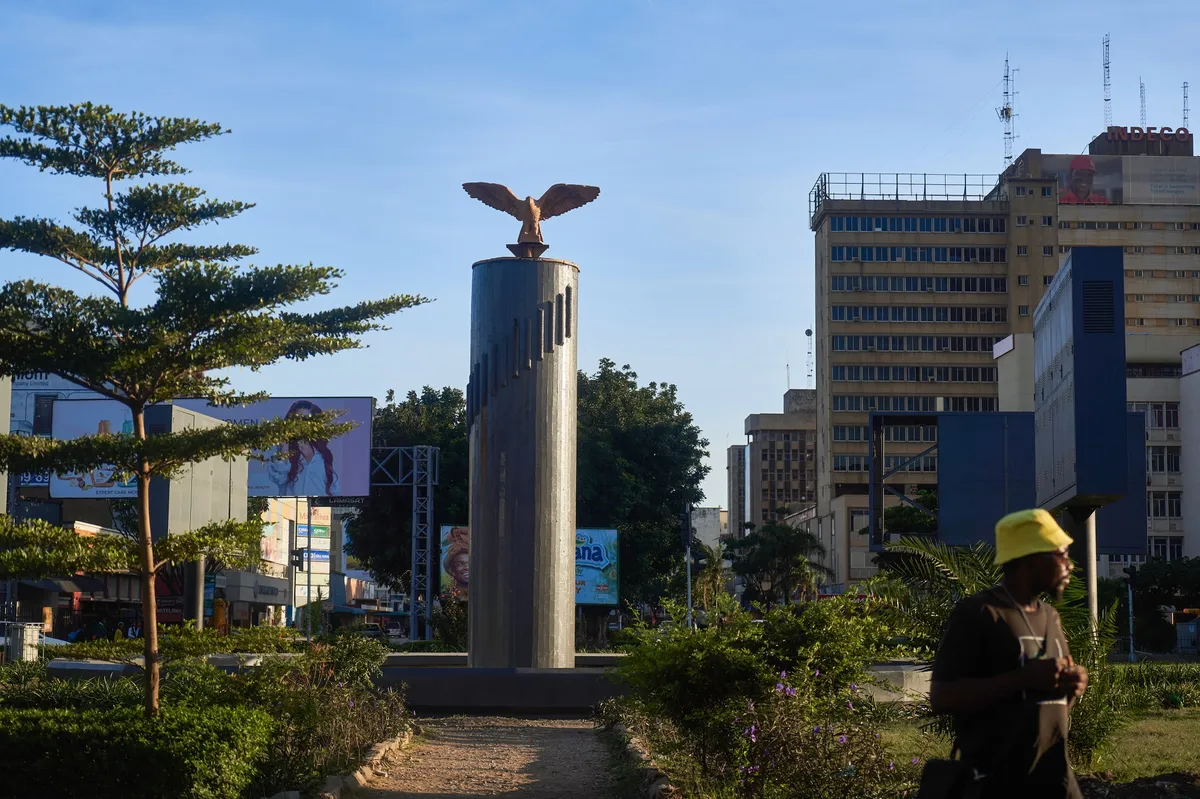
LUSAKA, Mar 10 – Zambia is seeking international investors to support a major expansion of its mining industry as the country aims to more than triple copper production by the end of the decade.
Government officials say the goal is to increase copper output to 3 million metric tons annually by 2031, a sharp rise from current production levels.
The country is already one of Africa’s leading producers of the metal and ranks second on the continent after the Democratic Republic of the Congo.
According to Mines Minister Paul Kabuswe, the government is actively engaging potential investors from around the world, including the United States.
Washington has increasingly shown interest in securing partnerships with mineral-rich nations as it looks to diversify global supply chains for critical resources used in advanced manufacturing and emerging technologies.
Kabuswe said Zambia is focused on ensuring that any agreements reached with foreign investors benefit both the country and its partners.
He stressed that negotiations must create balanced outcomes, noting that investors should also receive fair returns while supporting Zambia’s long-term development goals.
Zambia’s mineral wealth extends beyond copper. The country also holds significant deposits of cobalt, nickel, manganese, graphite, lithium and rare-earth elements, resources that are becoming increasingly important in global energy transition and technology industries.
Several major international mining companies already operate in the country. These include JCHX Mining Management, Barrick Gold, First Quantum Minerals, Vedanta Resources and International Resources Holding.
Another company exploring opportunities in the country is KoBold Metals, which is backed by American investors and focuses on identifying critical mineral deposits using advanced technology.
Zambia’s efforts to boost copper production come as global demand for the metal continues to rise, driven by its essential role in renewable energy systems, electric vehicles and power infrastructure.
