
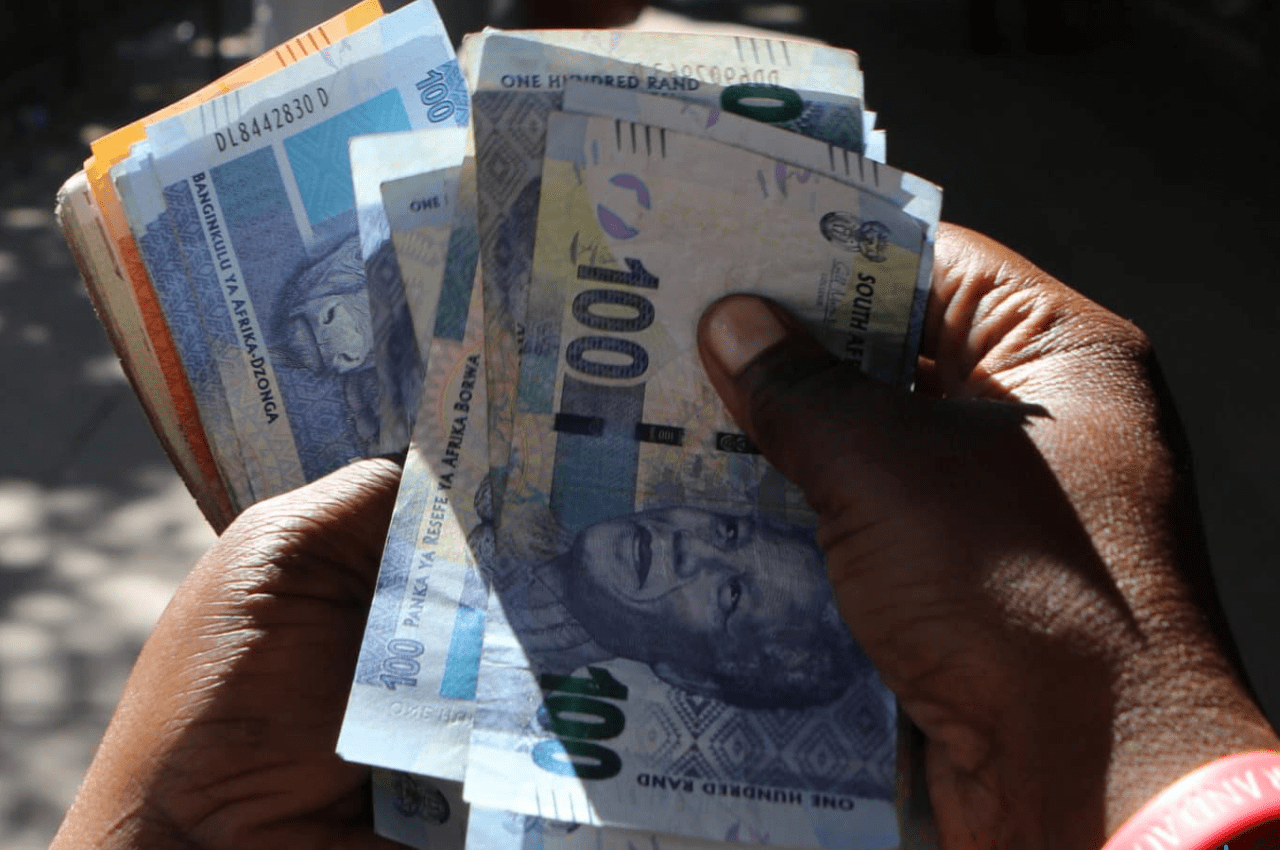
JOHANNESBURG, Mar 23 – The South African rand opened the week at its weakest level in four months, as escalating tensions in the Middle East continued to drive oil prices higher and intensify inflation concerns.
The currency traded at 17.2275 against the dollar, marking a 1.3% decline and extending losses after a volatile three-week stretch driven by global risk aversion and energy market shocks.
Oil Shock and Geopolitical Pressure
The selloff comes amid heightened geopolitical tensions involving Iran and the United States, with Donald Trump warning of potential escalation if the Strait of Hormuz is not reopened.
Iran, in turn, signaled possible retaliation targeting regional energy infrastructure, raising fears of prolonged supply disruptions and sustained high oil prices.
For South Africa, a net importer of crude oil, rising energy costs pose a direct threat to inflation stability and economic performance.
Focus Turns to Interest Rate Decision
Investor attention is now firmly on the upcoming policy decision by the South African Reserve Bank, with economists widely expecting the benchmark interest rate to remain unchanged at 6.75%.
The central bank has signaled that it is reassessing its risk outlook, particularly in light of persistent geopolitical uncertainty and its impact on global energy markets.
Additional economic data due this week, including business cycle indicators and producer inflation figures, will provide further insight into domestic economic conditions.
Market Pressures Mount
The rand’s weakness has been compounded by declines in key export commodities, with gold and platinum prices falling, adding pressure on South African assets.
Meanwhile, the country’s benchmark 2035 government bond remained broadly stable in early trading, with yields hovering around 9.2%, reflecting cautious investor sentiment.
Outlook
With oil prices remaining elevated and geopolitical risks unresolved, the rand is expected to stay under pressure in the near term.
The trajectory of inflation, alongside central bank policy signals, will be critical in determining whether the currency stabilises or faces further downside in the weeks ahead.
