
– Business, Finance, Markets & Economic News
  • Home
  • Economy
  • Business
  • Markets
  • Finance
  • Credit Ratings
  • Policy
  • Tech
– Business, Finance, Markets & Economic News
  • Home
  • Economy
  • Business
  • Markets
  • Finance
  • Credit Ratings
  • Policy
  • Tech
Top News
Egypt and South Africa Push for Stronger Africa Trade Corridors at BRICS Summit
Nigeria’s Dangote Refinery Expands IPO Access Through 40 Approved Channels
Tharisa Prices $300 Million Bond to Advance Zimbabwe’s Karo Platinum Mine
Senegal Bondholder Group Pushes for Fair and Sustainable Debt Treatment
Namibia to End Vitol’s Exclusive Fuel Supply Deal After October Extension
Lobito Corridor Targets 3 Million Tons of Freight as $750 Million Upgrade Accelerates
Libya’s $2.5 Billion Benghazi Iron Complex Targets Lower-Carbon Steel Supply
Kenya Approves Diageo’s $2.3 Billion Sale of EABL Stake to Japan’s Asahi
Ghana Moves to Set Minimum Pay and Tender Benchmarks for Mining Contractors
TotalEnergies to Invest $10 Billion in Angola as It Targets Sustained Oil Production
Kenya Set for About $400 Million World Bank Emergency Financing Amid Rising Risks
South Africa Swings to 2.6% Current Account Deficit as Higher Oil Costs Hit Imports
Emerging-Market Private Credit Fundraising Surges to $8.7 Billion in H1 2026
TotalEnergies Makes New Angola Oil Discovery, Expands Exploration Footprint
Egypt’s Annual Urban Consumer Price Inflation Eases to 14.5% in August, Stats Agency Says
SUBSCRIBE
– Business, Finance, Markets & Economic News
Subscribe
– Business, Finance, Markets & Economic News
  • Home
  • Economy
  • Business
  • Markets
  • Finance
  • Credit Ratings
  • Policy
  • Tech
Copyright 2026 - All Right Reserved
Home » Tech » AI Could Raise Sub-Saharan Africa’s Economy by 4%, IMF Says if Infrastructure Improves
Tech

AI Could Raise Sub-Saharan Africa’s Economy by 4%, IMF Says if Infrastructure Improves

by Oluebube Elechi July 22, 2026
written by Oluebube Elechi July 22, 2026
FacebookTwitterLinkedinEmail
52

PRETORIA, July 22 – Artificial intelligence could increase Sub-Saharan Africa’s economy by about 4% over the next decade if countries improve electricity supply, internet access and digital skills, according to a new paper released by the International Monetary Fund (IMF).

The report said the region has significant room to benefit from AI, but only if governments address long-standing gaps in infrastructure. Without those improvements, productivity and economic growth may rise by only 0.2% over the next 10 years.

Martin Schindler, Deputy Division Chief and Mission Chief in the IMF’s African Department and lead author of the paper, said policy decisions will determine whether the region can unlock AI-driven growth noting that a 0.2% gain would have little impact on the wider economy.

The IMF also found that Sub-Saharan Africa ranks lowest on its AI Preparedness Index, largely because of weak digital infrastructure, limited technical skills and regulatory challenges. It added that the region’s biggest concern is not the disruption AI could bring, but whether countries can adopt and expand the technology quickly enough to benefit from it.

You Might Be Interested In
  • Jumia Raises $50 Million From IFC and Axian to Expand E-Commerce Across Africa

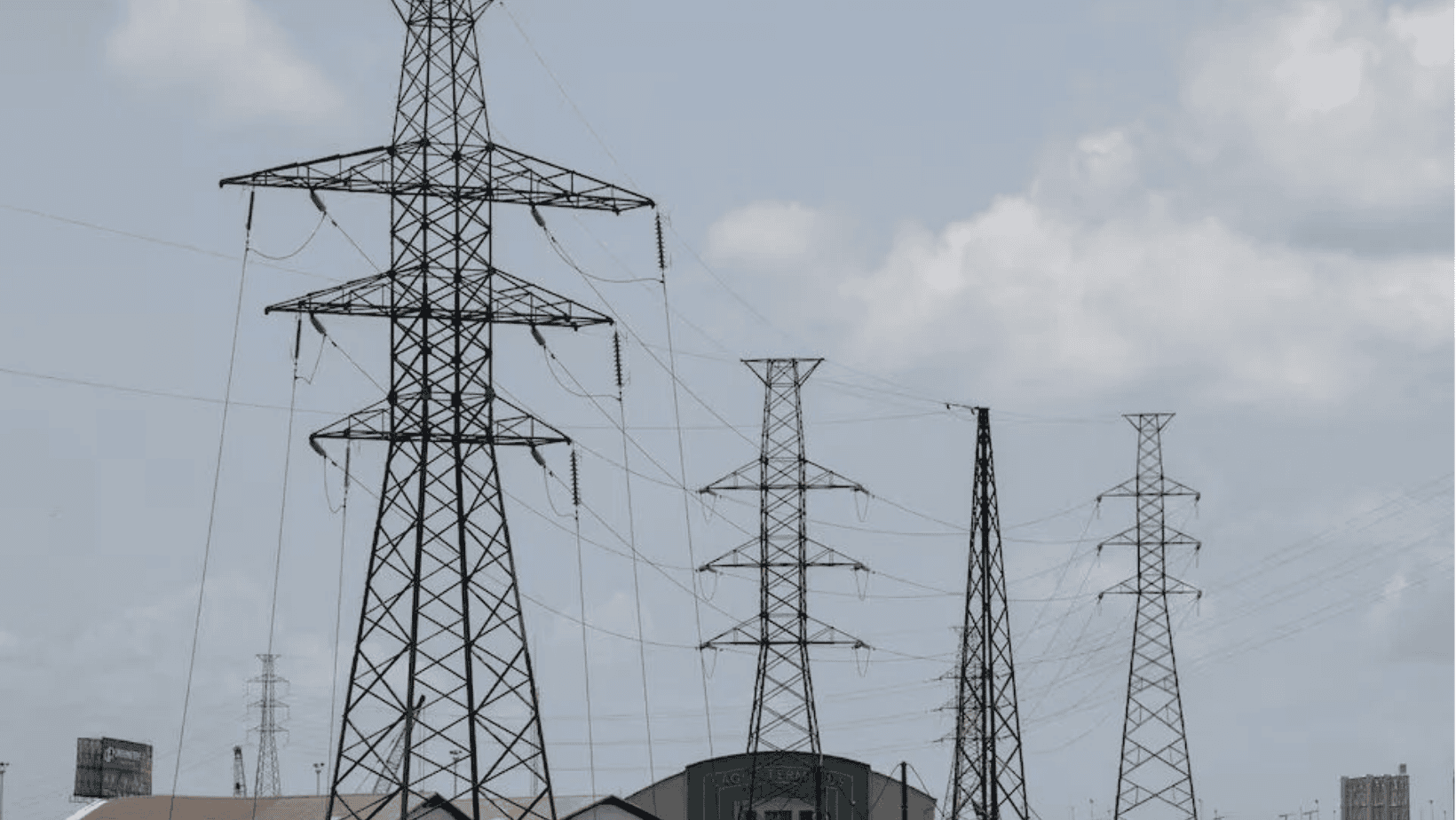
Access to electricity remains one of the biggest barriers, with around half of the region’s population still lacking reliable power. The report said investments in power grids and mini-grids around schools, clinics and other public facilities could help create local digital hubs.

Internet access is another challenge as only 38% of Africans used the internet in 2024, compared with the global average of 68%. According to the IMF, expanding fibre networks and improving internet infrastructure could reduce costs and widen access.

Meanwhile, private investment is beginning to grow with Microsoft and G42 announcing plans for a $1 billion geothermal-powered data centre campus in Kenya, while Cassava Technologies and NVIDIA have signed a $700 million agreement to expand AI infrastructure across several African countries.

However, the IMF noted that Africa still has only about 160 data centres, with nearly half located in South Africa, Nigeria and Kenya.

Read Next

  • Congo Orders Audit of Mining Joint Ventures to Curb Revenue Leakages

    April 28, 2026
  • South Africa Business Confidence Index Falls to 131.4 but Remains at Strong Levels

    February 18, 2026
  • Morocco’s OCP Raises $1.5 Billion Hybrid Bond Amid Fertilizer Market Tightening

    April 16, 2026
  • Nigeria Secures €200 Million European Investment Bank Facility to Boost SME Financing

    June 19, 2026
  • Moody’s Sees South Africa Debt Stabilizing as Fiscal Reforms Gain Traction

    May 7, 2026

Newsletter

Subscribe to our newsletter for trusted insights on Africa’s economies, markets, and business.

African Economy Inc. Logo

About Us

We are a business and economic intelligence platform delivering in-depth reporting, analysis, and insights on markets, companies and economic developments across Africa.

Our Company

  • AEI Intelligence
  • About
  • Editorial Standard
  • Partnerships
  • Advertise With Us
  • Careers
  • Ownership

News

  • Economy
  • Business
  • Markets
  • Finance
  • Credit Ratings
  • Policy
  • Tech

Useful Links

  • Privacy Policy
  • Terms of Use
  • Closed Captioning Policy
  • Accessibility Statement
  • Personal Information
  • Data Tracking
  • Register New Account

Subscribe Newsletter

Subscribe to our newsletter for trusted insights on Africa’s economies, markets, and business.

©2026 Majons Media Inc. All Rights Reserved.

Facebook Twitter Instagram Linkedin
Manage Consent
To provide the best experiences, we use technologies like cookies to store and/or access device information. Consenting to these technologies will allow us to process data such as browsing behavior or unique IDs on this site. Not consenting or withdrawing consent, may adversely affect certain features and functions.
Functional Always active
The technical storage or access is strictly necessary for the legitimate purpose of enabling the use of a specific service explicitly requested by the subscriber or user, or for the sole purpose of carrying out the transmission of a communication over an electronic communications network.
Preferences
The technical storage or access is necessary for the legitimate purpose of storing preferences that are not requested by the subscriber or user.
Statistics
The technical storage or access that is used exclusively for statistical purposes. The technical storage or access that is used exclusively for anonymous statistical purposes. Without a subpoena, voluntary compliance on the part of your Internet Service Provider, or additional records from a third party, information stored or retrieved for this purpose alone cannot usually be used to identify you.
Marketing
The technical storage or access is required to create user profiles to send advertising, or to track the user on a website or across several websites for similar marketing purposes.
  • Manage options
  • Manage services
  • Manage {vendor_count} vendors
  • Read more about these purposes
View preferences
  • {title}
  • {title}
  • {title}
– Business, Finance, Markets & Economic News
  • Economy
  • Business
  • Markets
  • Banking & Finance
  • Energy
  • Tech
  • Policy