
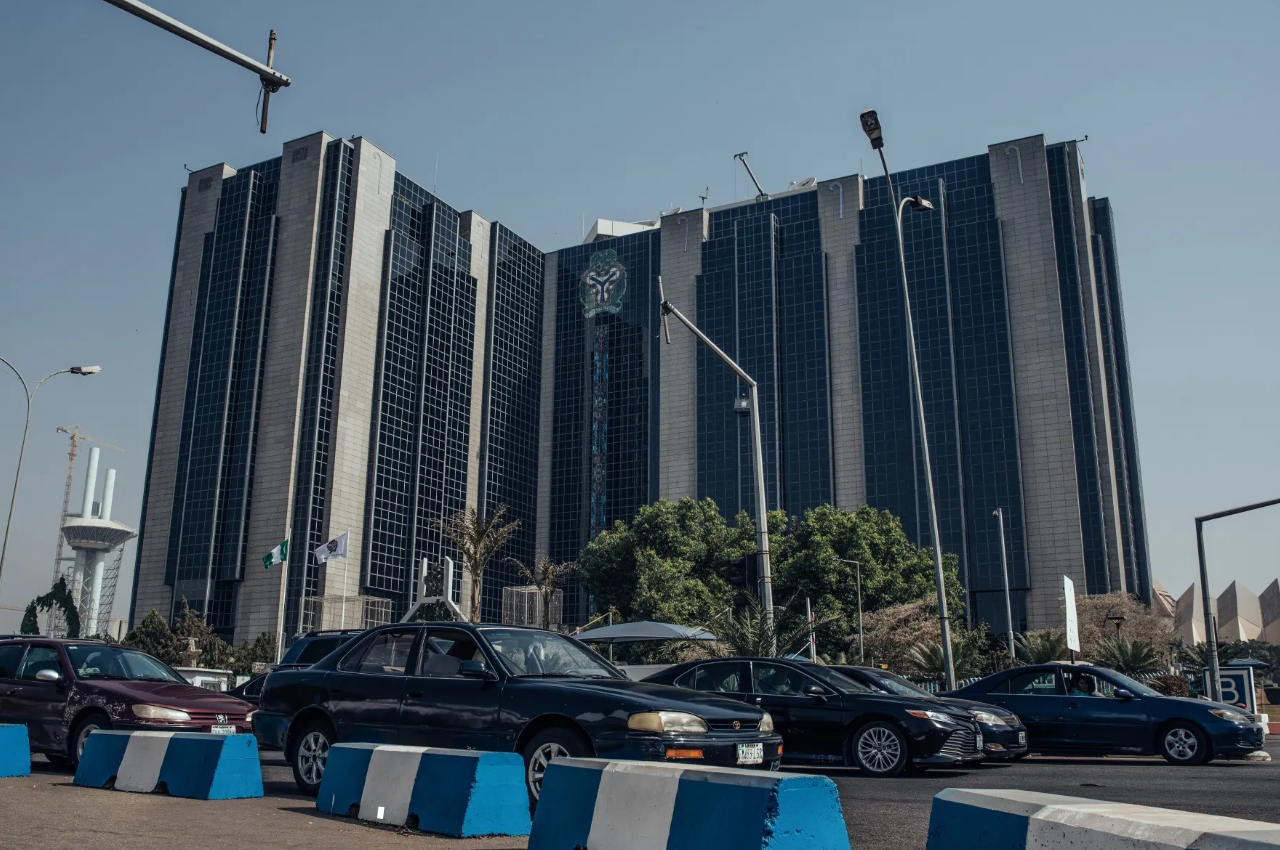
ABUJA, Mar 23 – The Central Bank of Nigeria has set a medium-term target to bring inflation down to between 6% and 9% as it transitions to a full inflation-targeting framework, marking a shift in the country’s monetary policy approach.
The move was outlined during a policy engagement with the Nigerian Economic Society and academics in Abuja, where the CBN said the framework would anchor expectations, improve transparency, and strengthen confidence in economic management.
The bank said inflation has already shown signs of easing, declining from 34.8% in late 2024 to about 15.1% in early 2026. The National Bureau of Statistics also reported a slight moderation to 15.06% in February 2026, reflecting the impact of tighter monetary conditions and recent policy adjustments.
According to the CBN, the transition is supported by a return to orthodox monetary tools and a gradual withdrawal from quasi-fiscal interventions. In addition, foreign exchange reforms, including rate unification and the introduction of electronic trading platforms, have helped improve price discovery and reduce market volatility.
Further measures such as bank recapitalisation and stronger regulatory oversight have contributed to improved financial sector stability, while closer coordination with fiscal authorities has strengthened overall policy coherence.
The apex bank noted that inflation targeting would help guide market expectations, reduce risk premiums, and support long-term investment decisions, particularly in an environment shaped by global uncertainties and volatile energy prices.
However, it added that achieving the single-digit target would depend on sustained policy discipline and institutional credibility.
Participants at the session, including members of the academic community, expressed support for the policy direction, describing it as a necessary step toward restoring macroeconomic stability and strengthening the effectiveness of monetary policy.
