
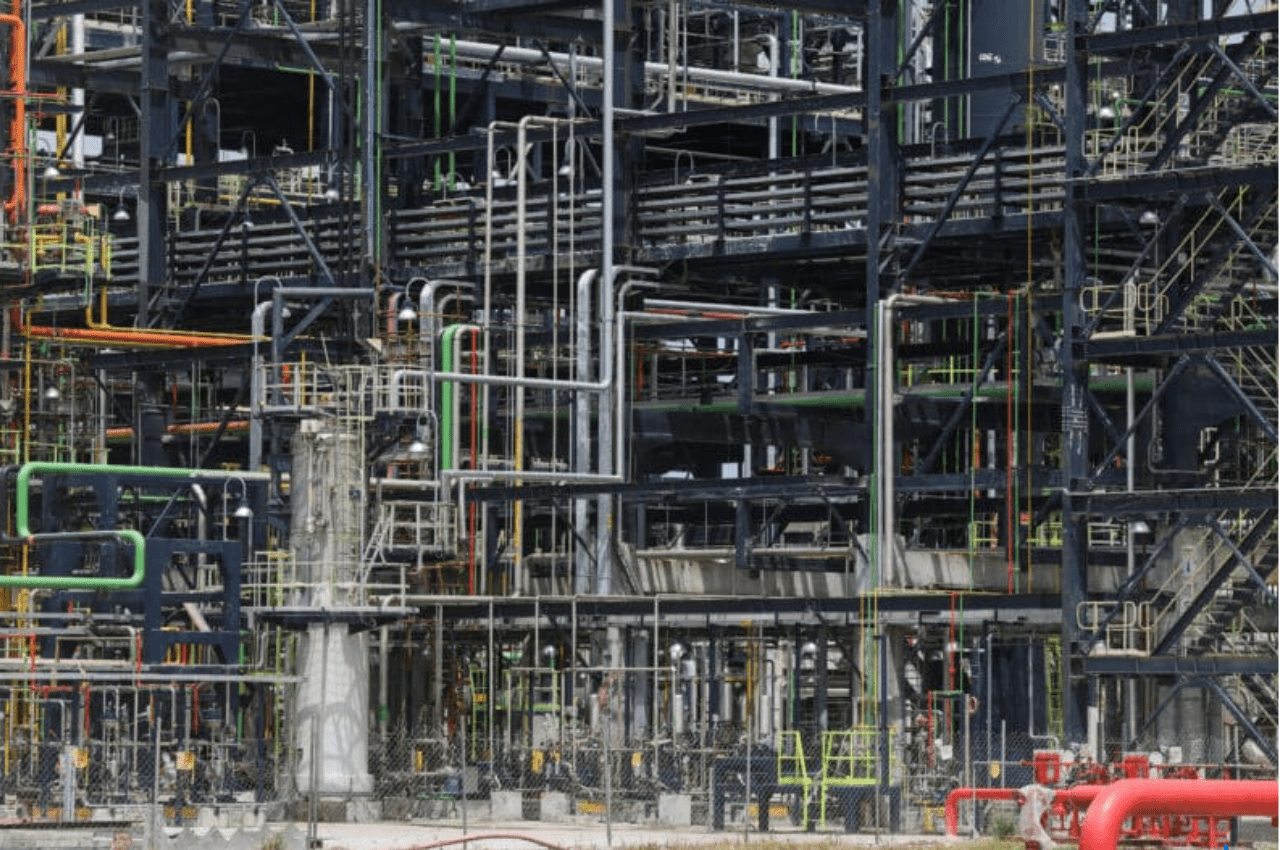
LAGOS, Mar 11 – Nigeria has suspended the issuance of gasoline import permits in a move that strengthens the position of the massive refinery controlled by billionaire Aliko Dangote.
Data from the Nigerian Midstream and Downstream Petroleum Regulatory Authority shows that nearly all gasoline supplied within the country in February originated from the Dangote Refinery.
Under the new policy, import permits will only be granted when domestic production cannot meet demand. Authorities say this condition does not currently apply, meaning fresh import licenses are effectively on hold.
Several oil marketing companies that previously imported fuel have seen their licenses suspended. These include a local subsidiary of TotalEnergies as well as Conoil Plc and MRS Nigeria Plc. The firms had collectively supplied about 38% of Nigeria’s gasoline imports as recently as January.
Dangote had previously challenged the continuation of fuel imports through legal action against the regulator, the Nigerian National Petroleum Company Limited and several importers. He later withdrew the lawsuit after relations with government authorities improved.
The refinery, located near Lagos, has a processing capacity of about 650,000 barrels of crude oil per day. According to regulators, the facility is currently operating at roughly 78% capacity.
In February, the refinery met approximately 64% of Nigeria’s gasoline demand. The remaining supply gap, estimated at around 20 million liters per day, was covered using previously imported fuel inventories.
Before the refinery began operations, Nigeria had long exported crude oil while relying heavily on imported refined petroleum products, despite being Africa’s largest crude producer.
Energy analysts say the policy shift helps protect the investment case for domestic refining. Years of government incentives and tax concessions were introduced to encourage projects such as the Dangote refinery.
However, some experts warn that supply gaps could still influence pump prices, especially as global energy markets remain volatile due to geopolitical tensions in the Middle East.
The recent conflict involving the United States, Israel and Iran has already disrupted global oil markets, pushing prices higher and prompting several fuel price adjustments in Nigeria.
