
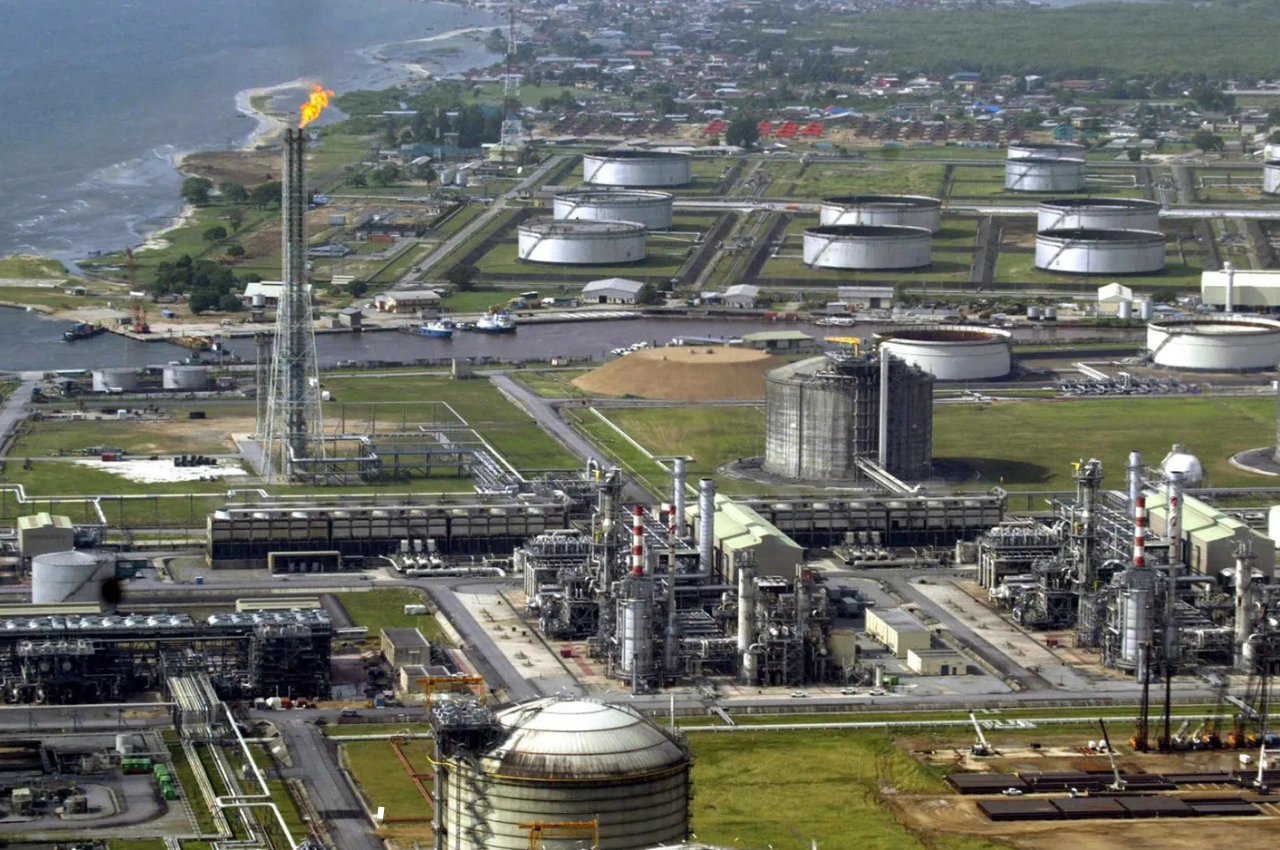
ABUJA, Dec 15 – Nigeria has issued permits to 28 companies under the Nigerian Gas Flare Commercialisation Programme (NGFCP), marking a significant step toward ending routine gas flaring, reducing carbon emissions and converting wasted gas into economic and energy value.
Officials said the programme could capture between 250 and 300 million standard cubic feet per day of gas currently flared, cut around 6 million tonnes of carbon dioxide emissions annually, and unlock close to 3 gigawatts of electricity generation potential.
The initiative is expected to attract up to $2 billion in investment, create more than 100,000 jobs, and produce about 170,000 metric tonnes of liquefied petroleum gas (LPG) each year, expanding access to clean cooking fuel for an estimated 1.4 million households.
The permits follow a competitive bidding round that awarded 49 flare sites to 42 bidders, after the programme was restructured following the COVID-19 pandemic and aligned with Nigeria’s Petroleum Industry Act. Certificates were formally presented to the 28 permit holders by Gbenga Komolafe, chief executive of the Nigerian Upstream Petroleum Regulatory Commission.
An NGFCP official described the programme as central to Nigeria’s climate and energy ambitions.
“The NGFCP is a pillar in our quest to eliminate routine flaring, reduce emissions and enhance Nigeria’s global credibility in energy transition commitments,” the official said.
The programme supports Nigeria’s Energy Transition Plan by turning flare gas from an environmental liability into a commercial asset. Participating companies have signed key agreements, including connection, milestone development and gas sales contracts, qualifying them to access flare gas.
Oil producers are expected to benefit from reduced flaring penalties, improved environmental, social and governance performance, and closer alignment with the government’s decarbonisation agenda.
Development partners supporting the initiative include Power Africa, KPMG, the World Bank’s Global Gas Flaring Reduction initiative, USAID and several international financiers, providing technical and commercial frameworks for implementation.
Officials stressed that while the permits represent a major milestone, project execution must now accelerate. “The real work starts now,” one NGFCP official said, adding that engineering, construction and financing activities must commence swiftly to deliver economic, industrial and environmental benefits.
