
Nairobi, Jan 5 – Kenya’s Treasury bill rates have fallen to their lowest levels in four years, marking a dramatic reversal from the 2024 peak when aggressive monetary tightening pushed yields above 16 percent.
By early January 2026, yields across all tenors had retraced to levels last seen in late 2021. The 91-day bill stood at 7.73 percent, the 182-day bill at 7.80 percent, and the 364-day bill at 9.21 percent. Each rate has declined by more than 200 basis points over the past year, representing one of the fastest reversals in Kenya’s recent fixed income history.
At the height of the tightening cycle in 2024, Treasury bill yields reflected elevated inflation, currency pressures, and heavy government borrowing needs. The 91-day bill climbed above 16.7 percent in April, while the 182-day and 364-day bills peaked near 16.9 percent in August.
Rates began to ease from late 2024 and the decline accelerated throughout 2025. On a year-on-year basis, the 91-day yield fell by 217 basis points, the 182-day by 222 basis points, and the 364-day by 233 basis points. Volatility in short-dated paper also collapsed by mid-2025, with weekly auction movements narrowing to single-digit basis points.
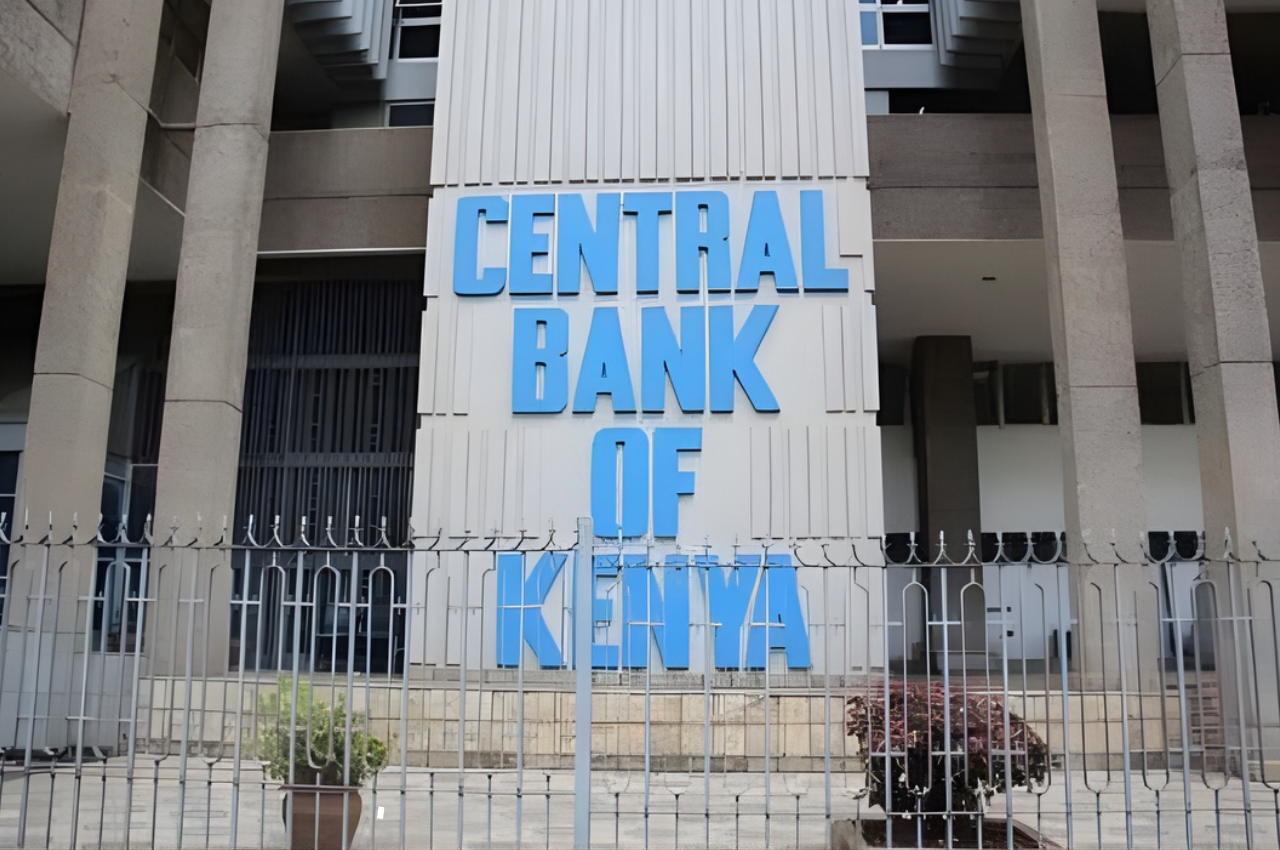
The Central Bank of Kenya played a central role in the turnaround. The regulator delivered nine consecutive policy rate cuts across 2024 and 2025 as inflation slowed toward the midpoint of its target range. Lower benchmark rates pulled down interbank funding costs and reset expectations across the money market.
Easing inflation further reinforced the trend. Slower food price growth, reduced fuel pressures, and a more stable shilling helped anchor inflation expectations, allowing nominal yields to compress without severely eroding real returns.
Improved liquidity conditions added to downward pressure on yields. Banking system liquidity increased through 2025 as private sector credit growth moderated and fiscal cash flow pressures eased. Strong demand persisted at Treasury bill auctions, particularly for the 91-day tenor, with several sales oversubscribed despite falling yields.
Auction management also supported the decline. The central bank consistently rejected higher yield bids, signalling tolerance for lower funding costs and encouraging market participants to adjust pricing expectations.
The result has been a re-steepening of the yield curve at much lower absolute levels. The spread between the 364-day and 91-day bills now stands near 150 basis points, down from more than 300 basis points at the 2024 peak, reflecting confidence in stable short-term funding conditions.
At current levels, the market has effectively erased four years of monetary tightening in less than eighteen months, underscoring the scale of Kenya’s policy pivot.
