
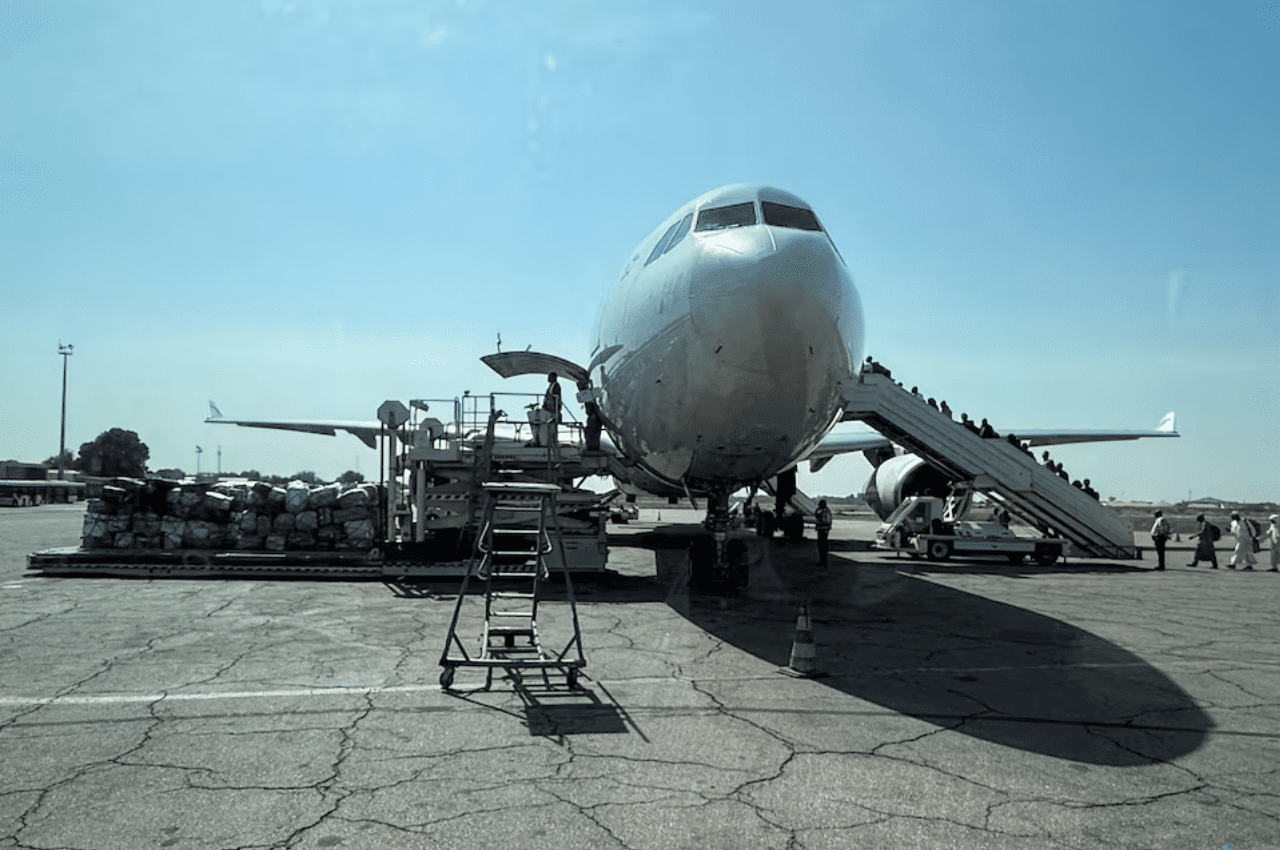
CAIRO, Mar 23 – Airlines across Africa are facing mounting cost pressures as jet fuel prices surge sharply following supply disruptions linked to the ongoing Middle East conflict, raising concerns over imminent fare increases and operational strain.
The disruption of fuel shipments through the Strait of Hormuz, a key route that accounts for roughly 70% of Africa’s jet fuel and kerosene imports, has tightened supply and driven prices higher across global markets. Since late February, reduced flows from Middle Eastern refineries have removed a significant share of global oil supply, intensifying volatility.
Jet fuel prices have climbed to near record levels, with benchmarks in Europe approaching $239 per barrel and Asian prices nearing $200. On the ground, African operators are already feeling the impact. In Nigeria, aviation fuel prices have surged from between N900 and N995 per litre before the crisis to as high as N2,700, with prices fluctuating frequently since the conflict began.
Fuel now accounts for as much as 30% to 45% of airline operating costs, compared to a global average of about 20% to 25%. Some carriers report even higher exposure. South Africa-based operators have seen prices rise as much as 70% within a week, while flight operators say fuel costs can change within hours, complicating pricing and route planning.
Airlines say they have so far held ticket prices relatively steady, with fares around N195,000 on some domestic routes in Nigeria. However, industry players warn this may not be sustainable. Estimates suggest ticket prices could rise by 20% to 25% in the near term, with the risk of further increases if fuel prices approach N3,000 per litre.
Operators also caution that prolonged cost pressures could force some airlines to scale back operations, potentially reducing capacity and pushing fares even higher.
