
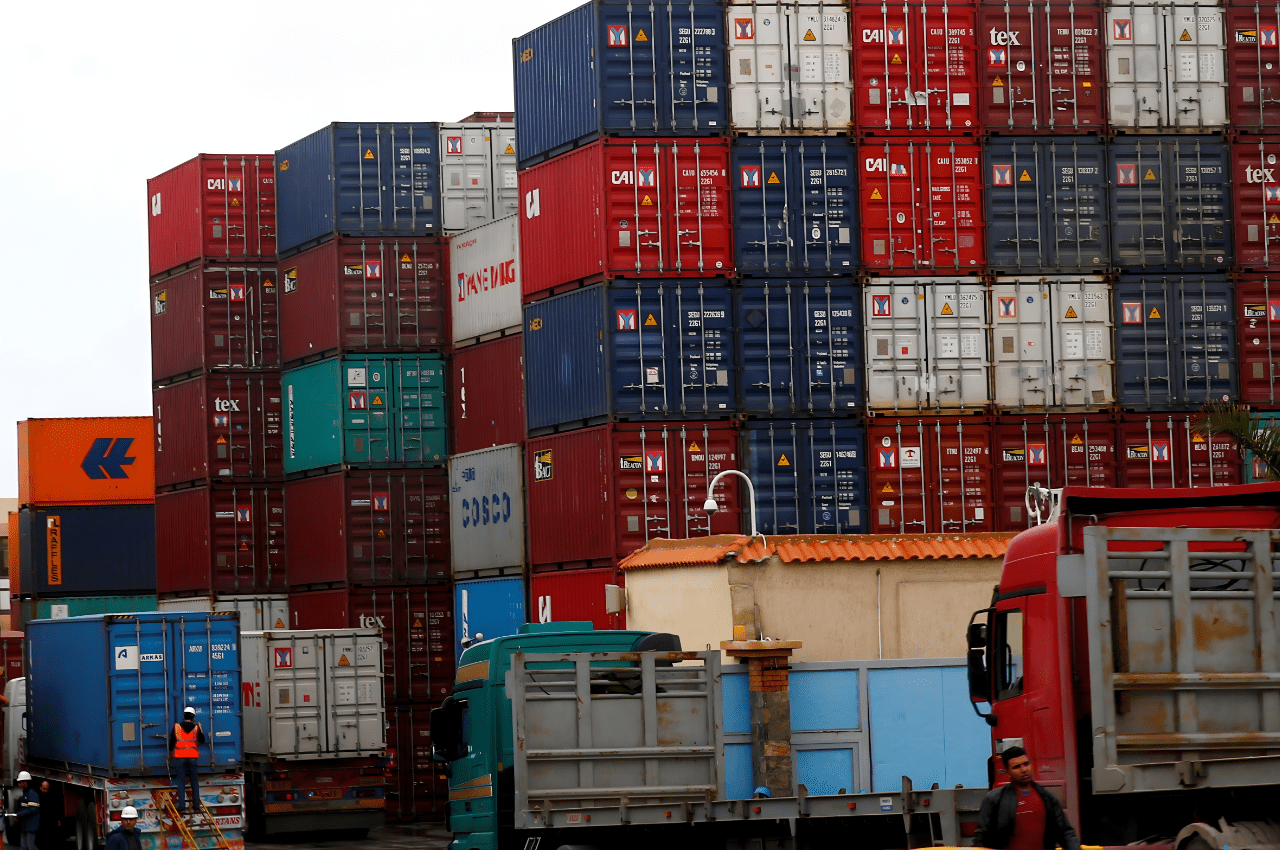
LAGOS, Mar 23 – Nigeria’s export sector is facing fresh disruption as a shortage of shipping containers and limited vessel availability at Lagos ports begin to slow outbound trade, raising concerns over the sustainability of recent growth.
The Association of West African Exporters and Marine Professionals (AWAEMAP) said the situation is already affecting export volumes, with cargoes piling up across terminals and limited capacity to move goods out of the country. The warning comes despite a strong export performance in 2025, with total exports rising to $44.06 billion in the first nine months of the year, up from $40.29 billion in the same period of 2024.
Non-oil exports have also gained momentum. Earnings reached $12.8 billion in 2025, reflecting a 21% increase, supported by reforms in the trade and investment space. Key commodities driving growth include cocoa beans, fertiliser, cashew nuts and sesame seeds.
However, exporters say logistics constraints are beginning to reverse these gains. According to AWAEMAP, shipping lines are increasingly reluctant to lift export cargoes from Nigeria, with some vessels reportedly discharging imports before leaving ports empty to pick up exports in neighbouring countries such as Cotonou.
As a result, export containers, including perishable goods, have remained stranded at terminals for weeks, with some shipments reportedly delayed since December 2025. The scarcity of empty containers has further compounded the problem, while congestion is gradually returning to port access roads and export processing terminals.
Industry players attribute part of the disruption to shifting global shipping routes linked to the Middle East crisis, which has led to cancelled sailings and reduced vessel calls to Nigerian ports.
Operators warn that without urgent intervention, the constraints could weaken Nigeria’s export capacity, particularly as exporters struggle to secure containers and reliable shipping schedules.
