
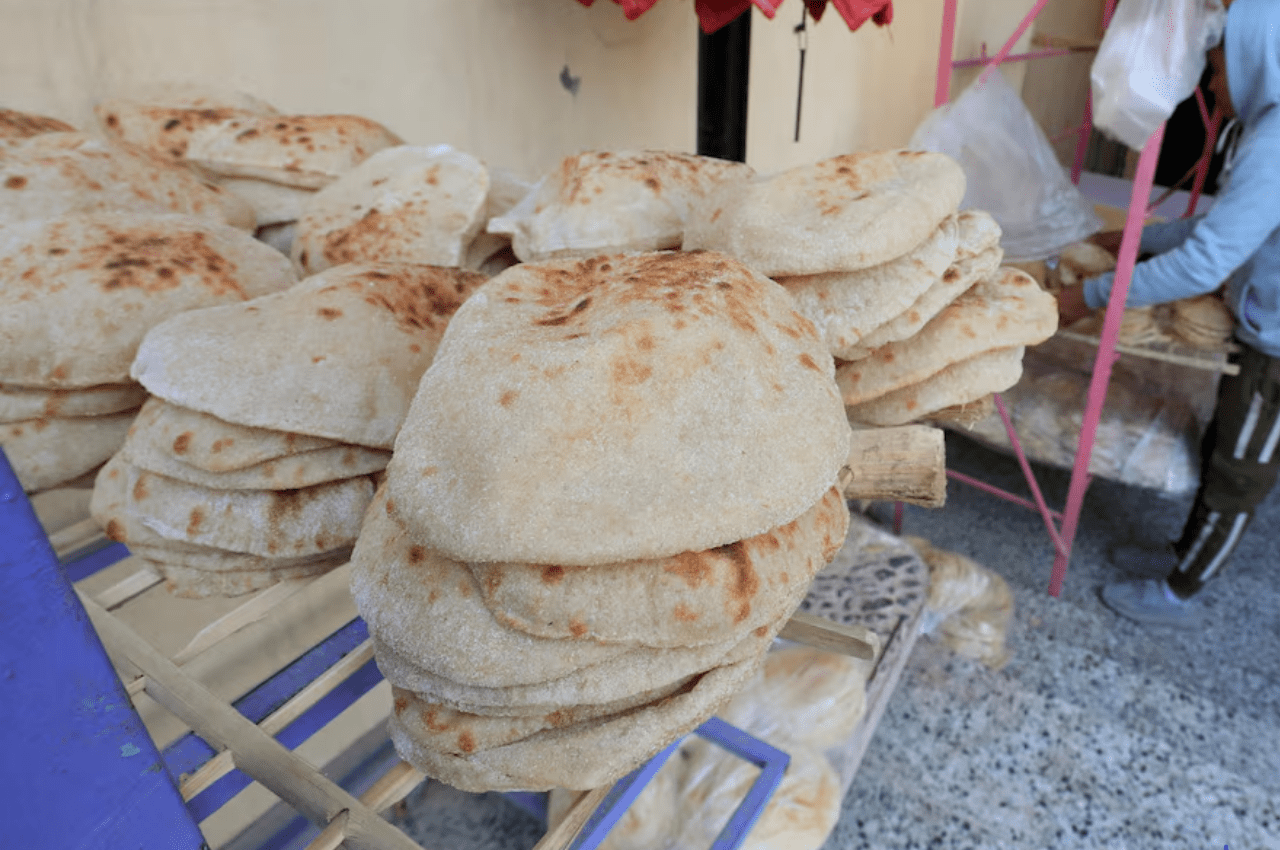
CAIRO, Mar 13 – Egypt has introduced maximum prices for unsubsidised bread sold in private bakeries while maintaining the cost of its heavily subsidised bread programme, as authorities seek to shield consumers from rising inflation and higher fuel costs.
In a directive issued by Supply Minister Sherif Farouk, the government capped the price of an 80-gram unsubsidised loaf at 2 Egyptian pounds, ($0.04). A similar ceiling was set for a 50-gram fino bread roll commonly used for sandwiches.
The ministry also set lower price limits for smaller loaves with a 60-gram loaf capped at 1.5 pounds, while a 40-gram loaf will be limited to 1 pound.
Officials said the measure is intended to regulate the private market and ensure consumers can obtain bread at reasonable prices, adding that inspection teams will monitor bakeries and penalise businesses that violate the new pricing rules.
The decision comes as inflationary pressure builds following a rise in global oil prices linked to the conflict between Iran and Israel. Egypt recently raised fuel prices, a move analysts says could push up transport and production costs across several sectors of the economy.
At the same time, the government confirmed it will keep the price of subsidised bread unchanged despite fuel costs rising by as much as 17 percent. The subsidised bread programme, distributed through a ration card system, supports over 69 million people and remains one of the country’s most important social safety measures.
Egypt operates one of the world’s largest bread subsidy systems, spending roughly 120 billion Egyptian pounds each year to support the production of about 100 billion loaves.
Bread remains a politically sensitive commodity in the country of roughly 120 million people. Egypt is also one of the world’s largest wheat importers, relying on foreign supply for more than half of its consumption.
Industry sources say wheat prices have recently risen by about 2,000 Egyptian pounds per tonne to around 16,000 pounds, adding pressure on bakeries already facing higher fuel and transport costs.
