
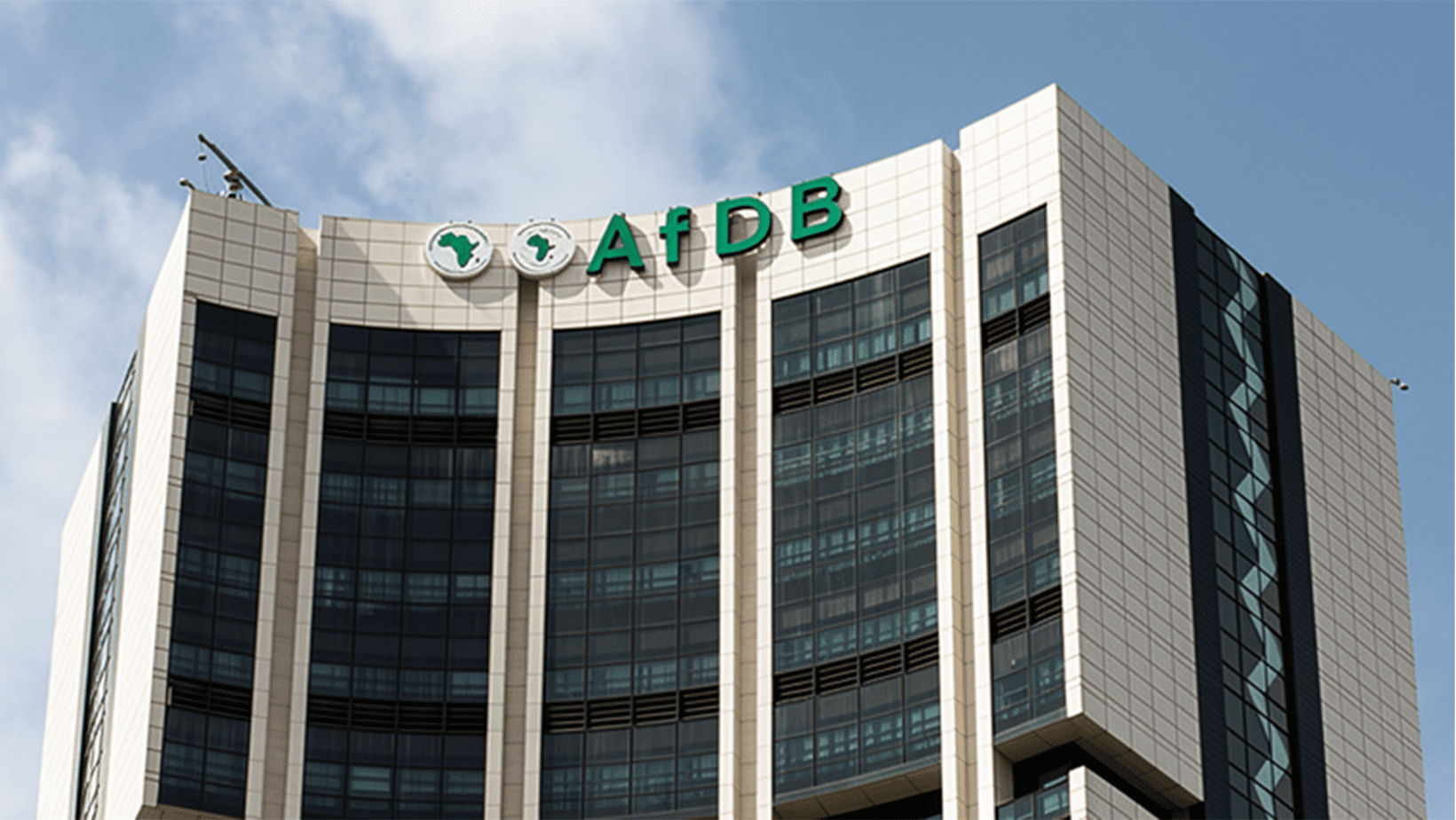
ADDIS-ABABA, June 17 – The African Development Bank and the World Bank are stepping up their collaboration on economic research as they look to address some of Africa’s biggest development challenges.
The agreement was reached during high-level discussions held at the AfDB headquarters in Abidjan on June 12, where officials from both institutions explored issues shaping the continent’s economic outlook.
Talks focused on rising debt pressures, job creation, demographic shifts, domestic resource mobilisation and Africa’s transition to cleaner energy systems.
Both institutions agreed that working more closely would help reduce duplication and ensure their research better reflects the realities facing African countries. They committed to regular technical exchanges, joint planning of annual research priorities, coordinated country missions and stronger links between research findings and field operations.
The aim, they said, is to provide governments with more practical policy advice while avoiding parallel work on similar issues.
The World Bank delegation, led by Seynabou Sakho, Regional Director for West and Central Africa Prosperity, presented a three-part approach centred on crisis response, building economic resilience and creating jobs at scale. The framework also highlighted the growing impact of fiscal pressures and employment gaps across the region.
Meanwhile, Kevin Chika Urama, Chief Economist and Vice-President for Economic Governance and Knowledge Management at the AfDB, shared findings from the Bank’s latest flagship publications, including the African Macroeconomic Performance and Outlook 2026 and the African Economic Outlook 2026.
He also highlighted recent policy papers covering the economic effects of Middle East tensions on African economies, proposals for an African Financial Stability Mechanism and new ways of measuring natural capital within Africa’s broader wealth framework.
Looking ahead, the two institutions plan to align their work around shared priorities, including economic governance, tax systems, public service delivery, access to finance for small businesses, youth employment, climate policy and energy transition. They also intend to deepen research on how Africa can navigate an increasingly fragmented global economy.