
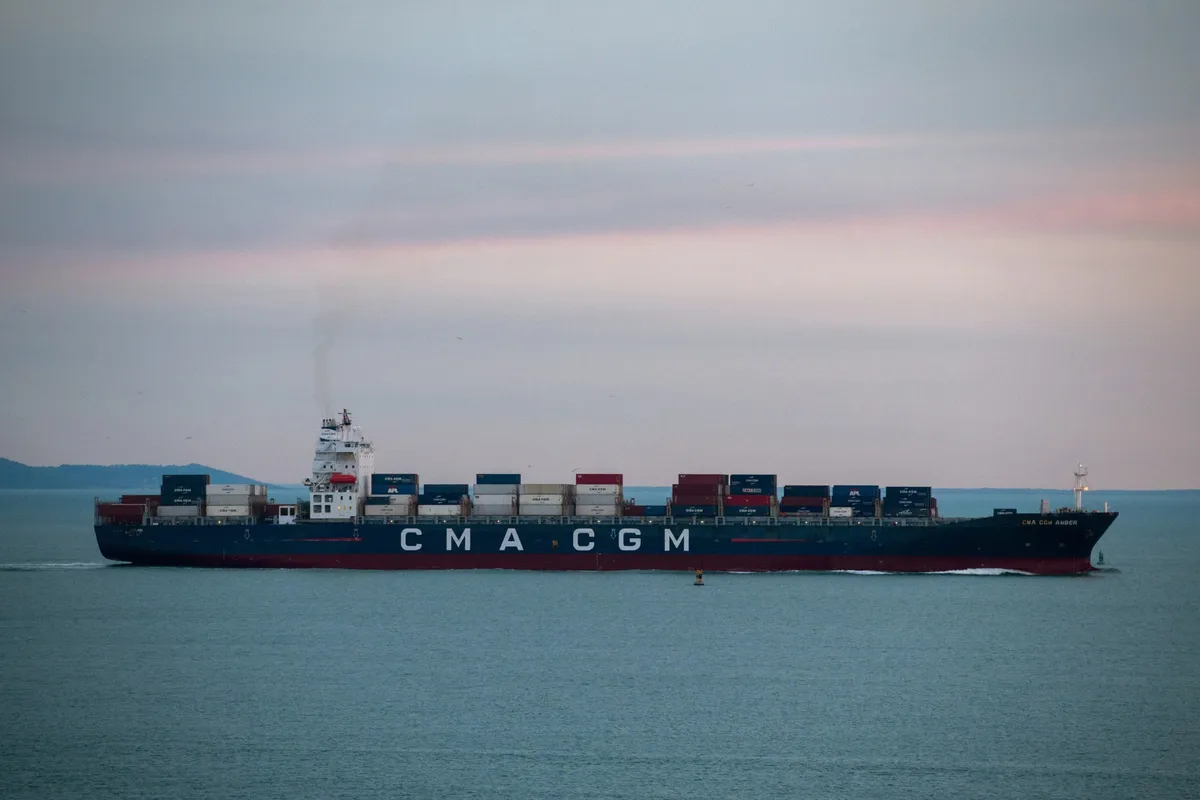
CAPE-TOWN, Mar 24 – Ship refuelling activity along Africa’s coastline is rising sharply as global shipping lines divert vessels around the Cape of Good Hope, avoiding traditional Middle East routes amid ongoing security disruptions.
Carriers have been steering clear of the Suez Canal and the Bab el-Mandeb Strait since late 2023 following Houthi attacks in the Red Sea. More recently, U.S. and Israeli strikes on Iran, alongside instability around the Strait of Hormuz, have reinforced the shift, pushing more vessels onto the longer southern route.
Major shipping firms including Maersk, Hapag-Lloyd and CMA CGM have confirmed rerouting decisions, citing operational constraints and safety concerns. While the detour extends journey times, it is driving increased demand for bunkering services across African ports.
Data from the Cape Chamber of Commerce and Industry shows vessel diversions rose by over 100% as of early March, highlighting what industry players now view as a structural shift rather than a temporary response.
Fuel suppliers are already seeing the impact. Monjasa reported stronger volumes in recent years, with further increases recorded during the early days of the Iran-related disruptions. At the same time, new entrants such as Vitol, Peninsula and Flex Commodities are expanding operations to capture rising demand.
Investment is picking up across key locations. Namibia’s Walvis Bay and Luderitz are emerging as strategic refuelling points, while Mauritius’ Port Louis nearly doubled bunker fuel sales in 2024. Kenya’s Lamu Port is also recording increased activity after years of underuse.
Despite the growth, challenges remain. Industry participants continue to flag risks including piracy, infrastructure gaps and regulatory hurdles, particularly in markets where high taxes and policy uncertainty persist.
Even so, sustained route diversions are positioning Africa as a more prominent player in global maritime fuel supply.
