
PRETORIA, July 22 – Artificial intelligence could increase Sub-Saharan Africa’s economy by about 4% over the next decade if countries improve electricity supply, internet access and digital skills, according to a new paper released by the International Monetary Fund (IMF).
The report said the region has significant room to benefit from AI, but only if governments address long-standing gaps in infrastructure. Without those improvements, productivity and economic growth may rise by only 0.2% over the next 10 years.
Martin Schindler, Deputy Division Chief and Mission Chief in the IMF’s African Department and lead author of the paper, said policy decisions will determine whether the region can unlock AI-driven growth noting that a 0.2% gain would have little impact on the wider economy.
The IMF also found that Sub-Saharan Africa ranks lowest on its AI Preparedness Index, largely because of weak digital infrastructure, limited technical skills and regulatory challenges. It added that the region’s biggest concern is not the disruption AI could bring, but whether countries can adopt and expand the technology quickly enough to benefit from it.
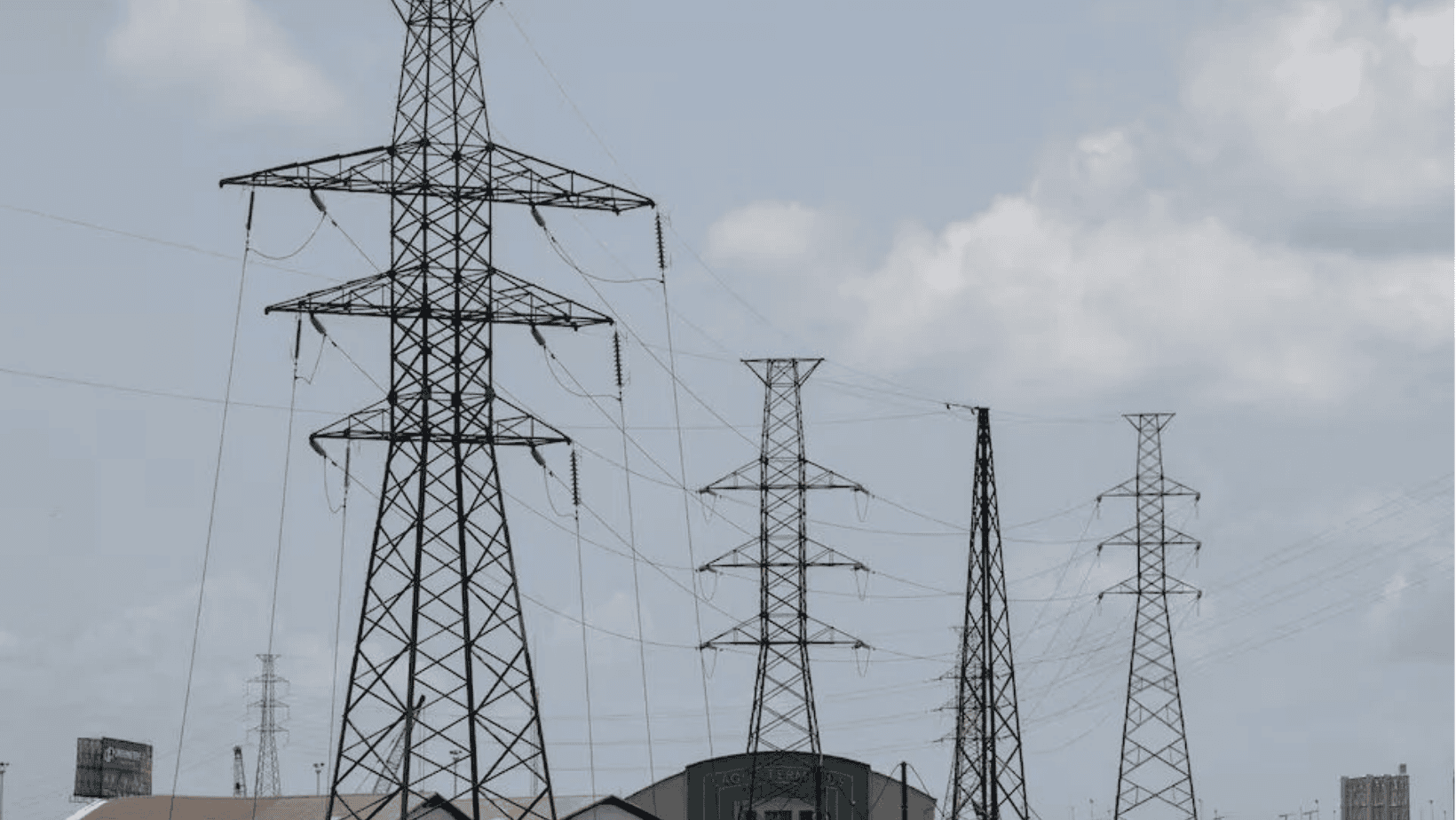
Access to electricity remains one of the biggest barriers, with around half of the region’s population still lacking reliable power. The report said investments in power grids and mini-grids around schools, clinics and other public facilities could help create local digital hubs.
Internet access is another challenge as only 38% of Africans used the internet in 2024, compared with the global average of 68%. According to the IMF, expanding fibre networks and improving internet infrastructure could reduce costs and widen access.
Meanwhile, private investment is beginning to grow with Microsoft and G42 announcing plans for a $1 billion geothermal-powered data centre campus in Kenya, while Cassava Technologies and NVIDIA have signed a $700 million agreement to expand AI infrastructure across several African countries.
However, the IMF noted that Africa still has only about 160 data centres, with nearly half located in South Africa, Nigeria and Kenya.
