
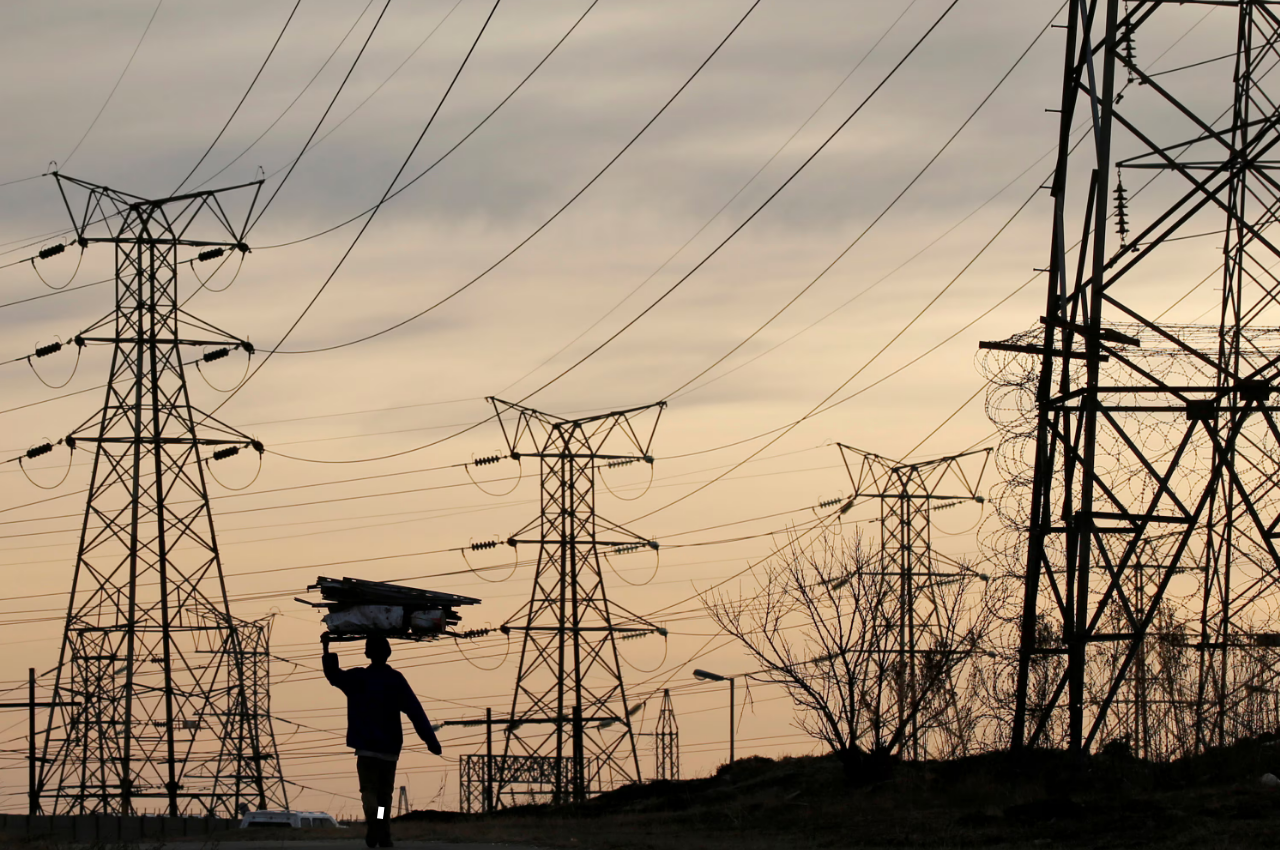
NAIROBI, Dec 16 – Kenya has signed an agreement for a $311 million investment to construct two high-voltage electricity transmission lines in partnership with pan-African infrastructure fund Africa50 and India’s PowerGrid Corporation, the finance ministry said on Monday.
The East African nation has increasingly turned to public private partnerships and securitisation of revenue streams to finance infrastructure projects amid elevated public debt levels and constrained fiscal space.e
Under the agreement, Africa50, a Morocco-based infrastructure fund owned mainly by African states, will collaborate with PowerGrid Corporation of India to design, finance, construct and operate the transmission lines and associated substations.
The project company will oversee the full lifecycle of the assets over a 30-year concession period, from construction through to operation, Africa50 said in a statement.
The two transmission lines are expected to improve grid reliability and expand access to cleaner and more affordable electricity for millions of Kenyans, although details on the breakdown of investment and the exact increase in transmission capacity were not disclosed.
Kenya Electricity Transmission Company Limited, a state-owned firm, will act as the contracting authority for the project. The finance ministry said the new infrastructure would enhance system stability, reduce technical losses and limit load shedding, while supporting the integration of renewable energy into the national grid.
Kenya has experienced several nationwide blackouts in recent years, often attributed to demand-driven overloads on the electricity network. Authorities have sought to address these challenges by expanding transmission capacity to accommodate rising electricity demand without placing additional strain on the system.
With traditional public financing constrained by debt pressures and resistance to new tax measures, President William Ruto’s administration has pursued greater private-sector participation in infrastructure development.
Critics have warned that such arrangements could expose the state to hidden liabilities through complex or opaque contracts, a concern the government has repeatedly dismissed. A previous attempt by the government to partner with India’s Adani Group on power transmission infrastructure was cancelled last year after the company’s founder was indicted in the United States.
