
– Business, Finance, Markets & Economic News
  • Home
  • Economy
  • Business
  • Markets
  • Finance
  • Credit Ratings
  • Policy
  • Tech
– Business, Finance, Markets & Economic News
  • Home
  • Economy
  • Business
  • Markets
  • Finance
  • Credit Ratings
  • Policy
  • Tech
Top News
Dangote Plans Cross-Border Petroleum Distribution Network Across Africa
Kenya Secures $160 Million Deal to Expand Wildlife Conservation Efforts
Ghana Orders Mining Wage Standardization Ahead of Shift to Local Contractors
Chery to Begin Omoda C4 Production in South Africa as It Targets Export Growth
Uganda’s Export Earnings Jump 36% to $1.5 Billion as Gold Shipments Surge
Nigeria Targets 7% Annual Growth as Finance Minister Rules Out Return of Petrol Subsidy
South Africa Cuts Bond Issuance as Treasury Projects Debt Peak and Reintroduces Fuel Levy Relief
Dangote Acquires 25% Stake in Kenya Pipeline Company in $327 Million Deal
South Africa’s Consumer Inflation Rises to 4.5% in September as Energy Costs Climb
Goldman Sachs Sees Upside Risk to Brent Forecast as Crude Freight Rates Surge
BHP Copper Production Falls 19% to 401,000 Tonnes in September Quarter
Senegal Bonds Fall as Sonko Opposes Budget Bills and Debt Restructuring
Egypt Signs $202 Billion Deal With Talaat Moustafa Group for Four Real Estate Projects
Eni and Libya’s NOC Complete Bouri Gas Recovery Project to Cut Flaring and Boost Supply
South Africa’s Debt Ratio Set to Fall as Markets Anticipate Credit Rating Upgrade
SUBSCRIBE
– Business, Finance, Markets & Economic News
Subscribe
– Business, Finance, Markets & Economic News
  • Home
  • Economy
  • Business
  • Markets
  • Finance
  • Credit Ratings
  • Policy
  • Tech
Copyright 2026 - All Right Reserved
Home » Finance » Kenya Secures $160 Million Deal to Expand Wildlife Conservation Efforts
Finance

Kenya Secures $160 Million Deal to Expand Wildlife Conservation Efforts

by Oluebube Elechi October 22, 2026
written by Oluebube Elechi October 22, 2026
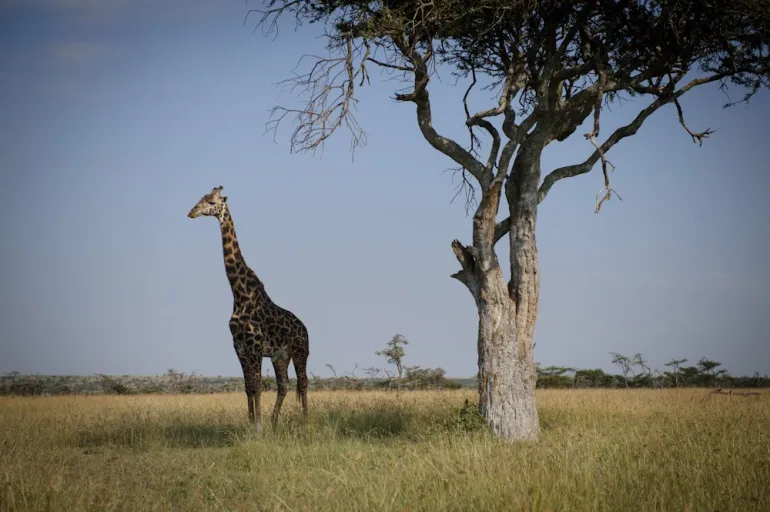
Kenya Secures $160 Million Conservation Deal to Protect 17.3 Million Hectares (Image: Al Jazeera)
FacebookTwitterLinkedinEmail
3

NAIROBI, Oct 22 – Kenya has signed a $160 million conservation agreement with international donors to protect 173,000 square kilometres of natural landscapes, including major wildlife habitats spanning the Great Rift Valley and Maasai Mara.

The Thamani Asili initiative, whose name translates to “value of nature” in Kiswahili, will operate over 10 years, with $80 million expected from private and institutional donors and a matching contribution from the Kenyan government.

The programme is designed to establish new conservation areas and improve the management of existing protected landscapes. It will use a financing structure known as Project Finance for Permanence (PFP), which links long-term funding to agreed government policy and conservation commitments.

Kenya’s Cabinet Secretary for Tourism and Wildlife, Rebecca Miano, said the initiative would support wildlife protection while providing benefits to farmers and communities living alongside conservation areas.

You Might Be Interested In
  • Egypt and AIIB Explore Expanded Financing for Energy, Transport and Logistics Projects

The programme comes as Kenya seeks to balance environmental protection with economic development. A United Nations Environment Programme report, citing earlier government estimates, said approximately 42% of Kenya’s gross domestic product and 70% of employment depend on nature in some form.

Donor Funding to Support Key Conservation Regions

The programme will initially concentrate on four regions, according to The Nature Conservancy (TNC), which helped develop the initiative.

One priority is Tsavo, a region containing Kenya’s largest national parks and significant populations of elephants and critically endangered black rhinos. Another focus area in southern Kenya encompasses the Maasai Mara National Reserve and its ecological connection with Tanzania’s Serengeti ecosystem.

The wider programme targets biodiversity hotspots that support elephants, rhinos, lions and numerous other species. Funding is intended to strengthen conservation management and expand the areas under protection.

Contributors include donors linked to the Walton and Cargill families, alongside other private and institutional supporters. The Kenyan government’s matching commitment is intended to provide a long-term financing framework rather than relying solely on short-term donations.

Project Finance for Permanence Gains Traction

The PFP model seeks to provide conservation programmes with predictable funding over extended periods in exchange for defined policy and implementation commitments from governments.

Similar arrangements have been announced in Brazil and Gabon, while initiatives have also been under development in Namibia and Botswana. The model is attracting interest as governments and conservation organisations look for ways to finance large-scale habitat protection over multiple years.

For Kenya, the agreement could help narrow the gap between its current protected land and marine areas and the international goal of conserving 30% of the world’s land and seas by 2030.

TNC estimates that approximately 20% to 23% of Kenya’s territory is currently protected under the relevant conservation measures. Ryan Bidwell, who leads the organisation’s PFP programme, said the new initiative would substantially reduce the remaining gap.

Conservation Commitments Amid Expanding Energy Investment

The agreement also highlights the challenge of reconciling biodiversity commitments with large-scale infrastructure and energy development.

Kenya has recently drawn attention over plans for a proposed $16 billion oil refinery on its coast, following a groundbreaking ceremony involving President William Ruto and Nigerian industrialist Aliko Dangote.

The refinery project and the conservation initiative represent different dimensions of Kenya’s economic development strategy, with the government pursuing investment while also seeking to protect ecosystems that support employment, tourism and other economic activities.

The effectiveness of the conservation programme will depend on how funding is deployed, whether government commitments are implemented and how protected landscapes are managed over the next decade. Its progress will also help determine how much Kenya advances towards the 2030 biodiversity target.

You may also like

Kenya Weighs Up to $500 Million Eurobond Buyback to Ease Debt Repayment Pressure

Read Next

  • Ethiopia Keeps Interest Rate at 15% Amid Inflation Risks and Oil Price Pressures

    April 1, 2026
  • Namibia to End Vitol’s Exclusive Fuel Supply Deal After October Extension

    September 11, 2026
  • Gold Boom Drives Ghana’s Cedi to First Annual Gain Since 1994

    December 31, 2025
  • South Africa Keeps Rates at 6.75% as Iran War Fuels Inflation Risks

    March 26, 2026
  • Mozambique Central Bank Holds Interest Rate at 9.25% as Inflation Risks Persist

    July 30, 2026

Newsletter

Subscribe to our newsletter for trusted insights on Africa’s economies, markets, and business.

African Economy Inc. Logo

About Us

We are a business and economic intelligence platform delivering in-depth reporting, analysis, and insights on markets, companies and economic developments across Africa.

Our Company

  • AEI Intelligence
  • About
  • Editorial Standard
  • Partnerships
  • Advertise With Us
  • Careers
  • Ownership

News

  • Economy
  • Business
  • Markets
  • Finance
  • Credit Ratings
  • Policy
  • Tech

Useful Links

  • Privacy Policy
  • Terms of Use
  • Closed Captioning Policy
  • Accessibility Statement
  • Personal Information
  • Data Tracking
  • Register New Account

Subscribe Newsletter

Subscribe to our newsletter for trusted insights on Africa’s economies, markets, and business.

©2026 Majons Media Inc. All Rights Reserved.

Facebook Twitter Instagram Linkedin
Manage Consent
To provide the best experiences, we use technologies like cookies to store and/or access device information. Consenting to these technologies will allow us to process data such as browsing behavior or unique IDs on this site. Not consenting or withdrawing consent, may adversely affect certain features and functions.
Functional Always active
The technical storage or access is strictly necessary for the legitimate purpose of enabling the use of a specific service explicitly requested by the subscriber or user, or for the sole purpose of carrying out the transmission of a communication over an electronic communications network.
Preferences
The technical storage or access is necessary for the legitimate purpose of storing preferences that are not requested by the subscriber or user.
Statistics
The technical storage or access that is used exclusively for statistical purposes. The technical storage or access that is used exclusively for anonymous statistical purposes. Without a subpoena, voluntary compliance on the part of your Internet Service Provider, or additional records from a third party, information stored or retrieved for this purpose alone cannot usually be used to identify you.
Marketing
The technical storage or access is required to create user profiles to send advertising, or to track the user on a website or across several websites for similar marketing purposes.
  • Manage options
  • Manage services
  • Manage {vendor_count} vendors
  • Read more about these purposes
View preferences
  • {title}
  • {title}
  • {title}
– Business, Finance, Markets & Economic News
  • Economy
  • Business
  • Markets
  • Banking & Finance
  • Energy
  • Tech
  • Policy
  • African Economy Inc.